The European Union is finalising a new vehicle category called M1E: electric-only cars under 4.2 metres in length, built to simplified safety requirements compared to full M1 passenger cars. The category sits between conventional small electric cars — where retail prices rarely fall below €25,000 — and quadricycles like the Fiat Topolino, which are limited to lower speeds and carry weaker crash protection. Final M1E regulation is expected before end-2026.
Stellantis CEO Antonio Filosa announced the company’s E-Car programme at a Turin press conference in May 2026. Three brands will produce M1E vehicles: Fiat, Citroën, and Opel. The manufacturing base is the Pomigliano d’Arco plant in Italy. Production starts in 2028. Target price: from €15,000.
What M1E means in practice
Under the proposed M1E framework, vehicles must be battery electric, can be up to 4.2 metres long, and face simplified crash test requirements compared to the full Euro NCAP programme. In exchange, manufacturers receive enhanced CO2 super-credits — each M1E unit counts as more than one car against fleet emissions compliance targets. Buyers in participating countries would receive tax incentives and, in some municipalities, free parking.
The speed ceiling and precise structural requirements are still being finalised; the regulation is in its last consultation round.
The Leapmotor connection
Stellantis is unlikely to have developed an M1E-class platform from scratch on the announced timeline. The most plausible industrial partner is Leapmotor, the Chinese EV manufacturer in which Stellantis holds a 21% stake. Leapmotor’s T03 — a sub-4-metre city car — already uses platform architecture consistent with what an M1E vehicle requires. The new Opel Corsa is built on a Leapmotor-derived architecture. Stellantis has not formally confirmed the Leapmotor connection to the E-Car programme.
The political dimension
The announcement serves two purposes simultaneously. For Stellantis, committing to production at Pomigliano d’Arco demonstrates to the Italian government that the company is maintaining domestic manufacturing — a relationship that had deteriorated under the previous CEO, who led several public conflicts with Rome over plant utilisation rates. Antonio Filosa, who is Italian and previously ran Stellantis’s South American operations, has made visible commitments to Italian manufacturing since taking the chief executive role.
For Brussels, the Stellantis announcement provides the M1E category with its first confirmed production commitment from a major manufacturer, which strengthens the case for finalising the regulation on schedule.
What it sits between
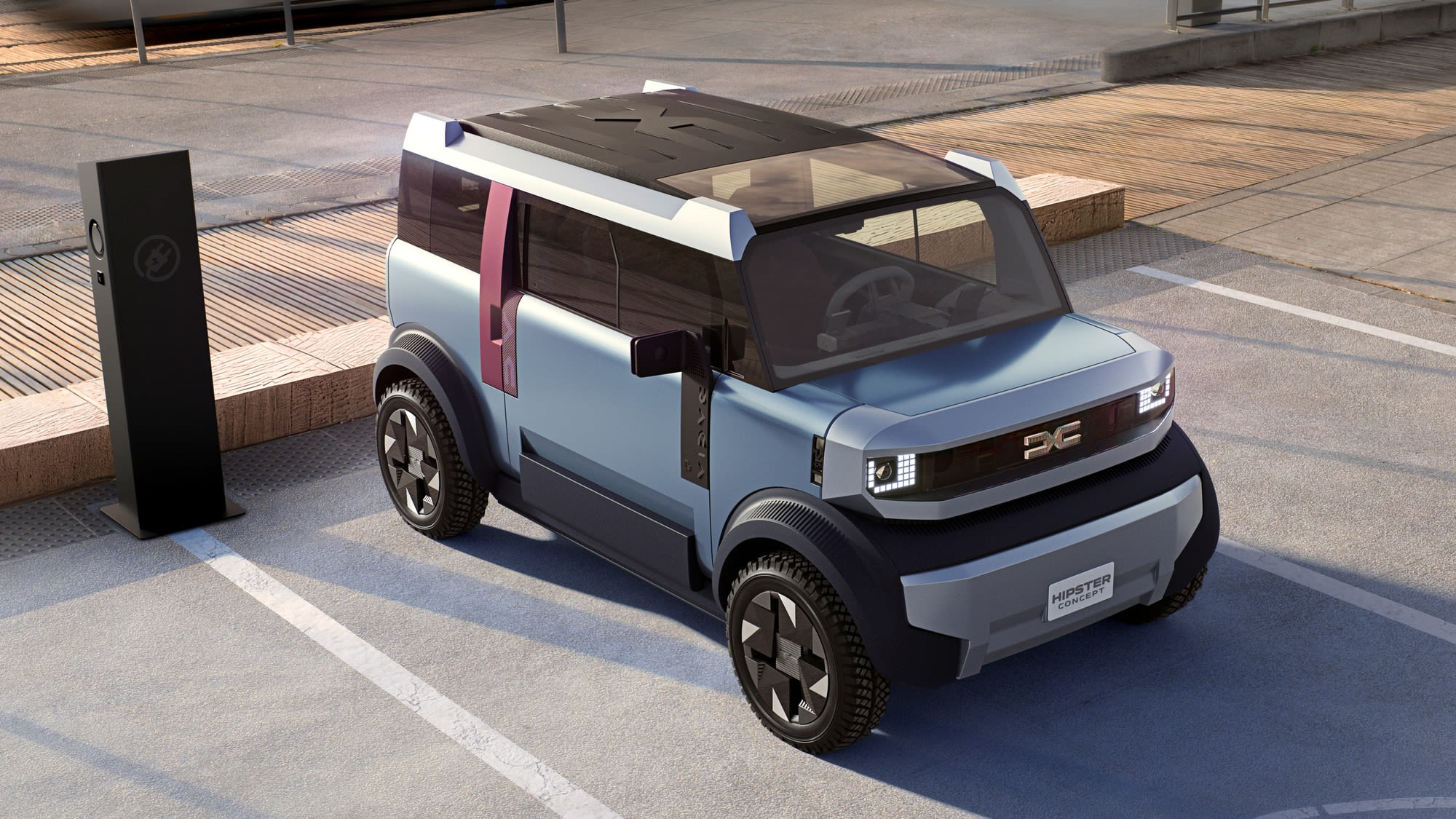
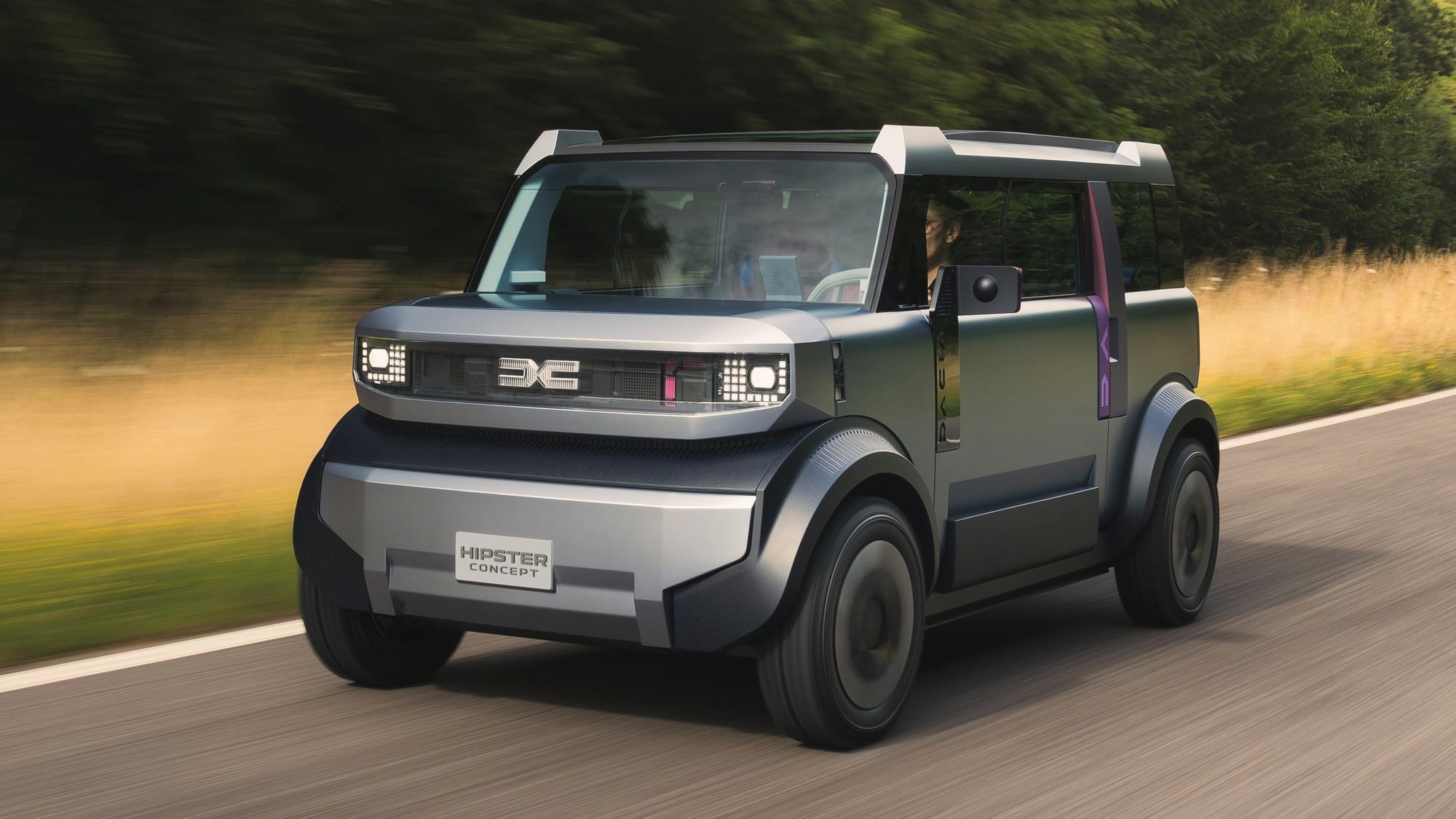
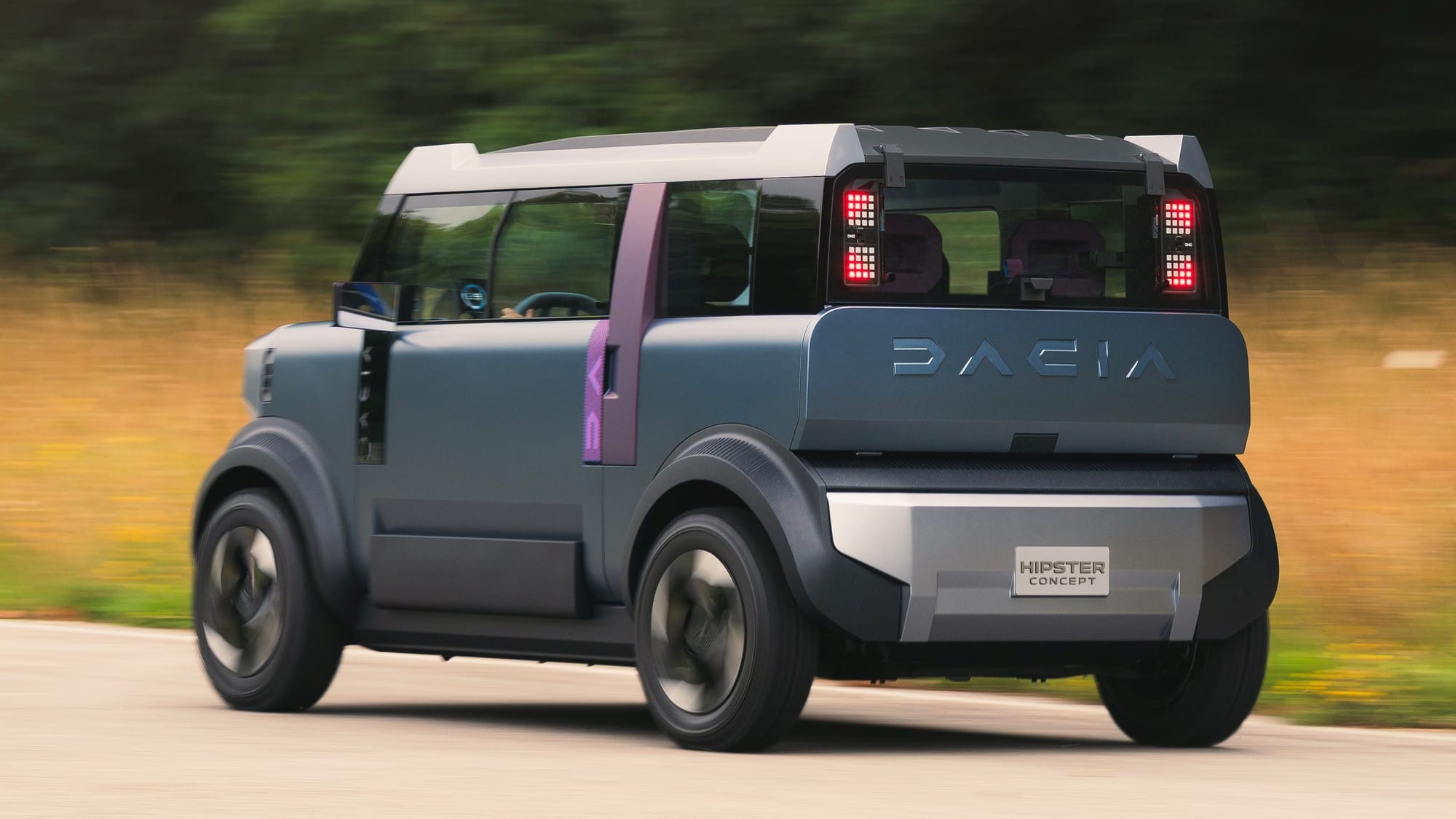
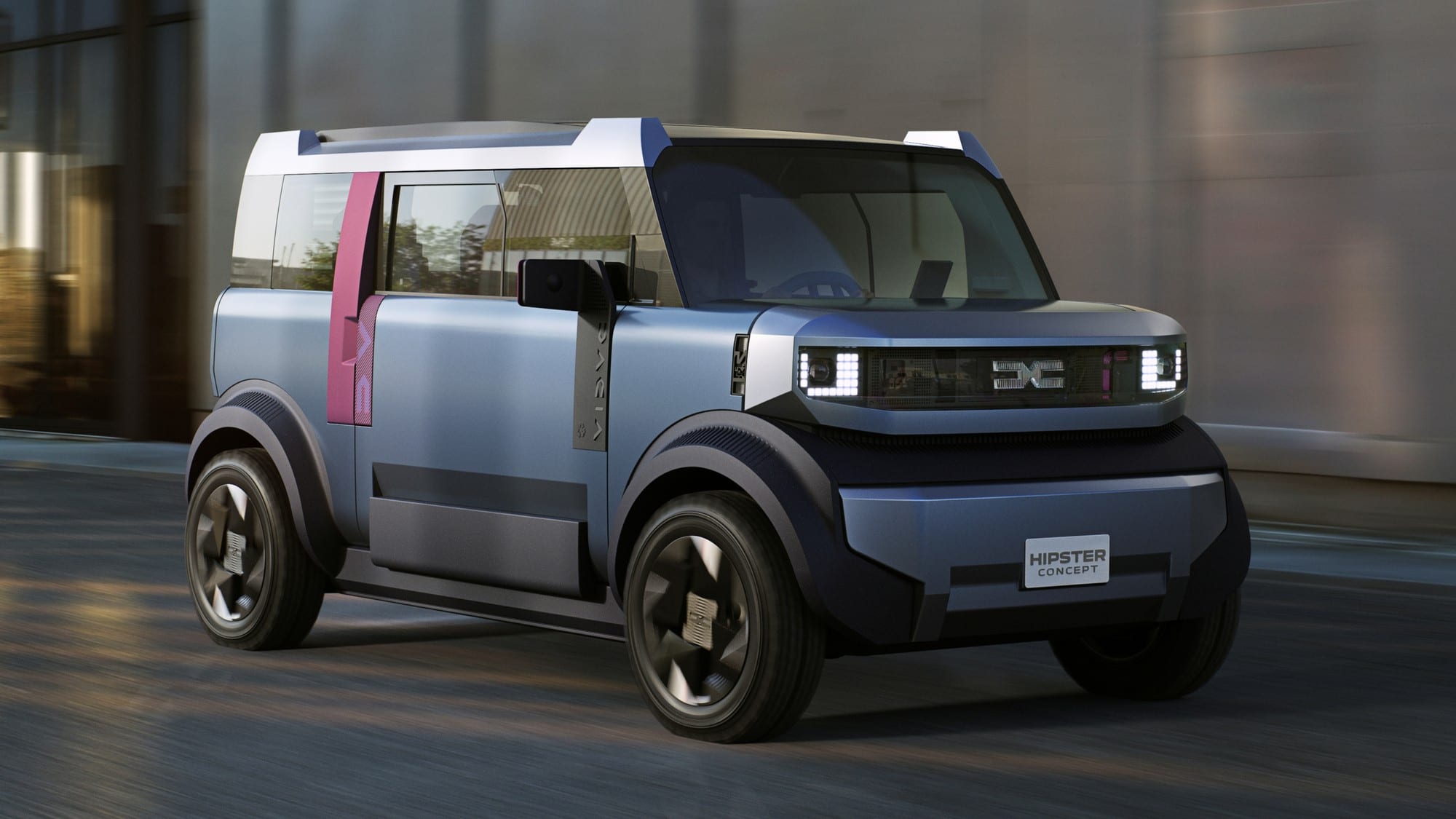
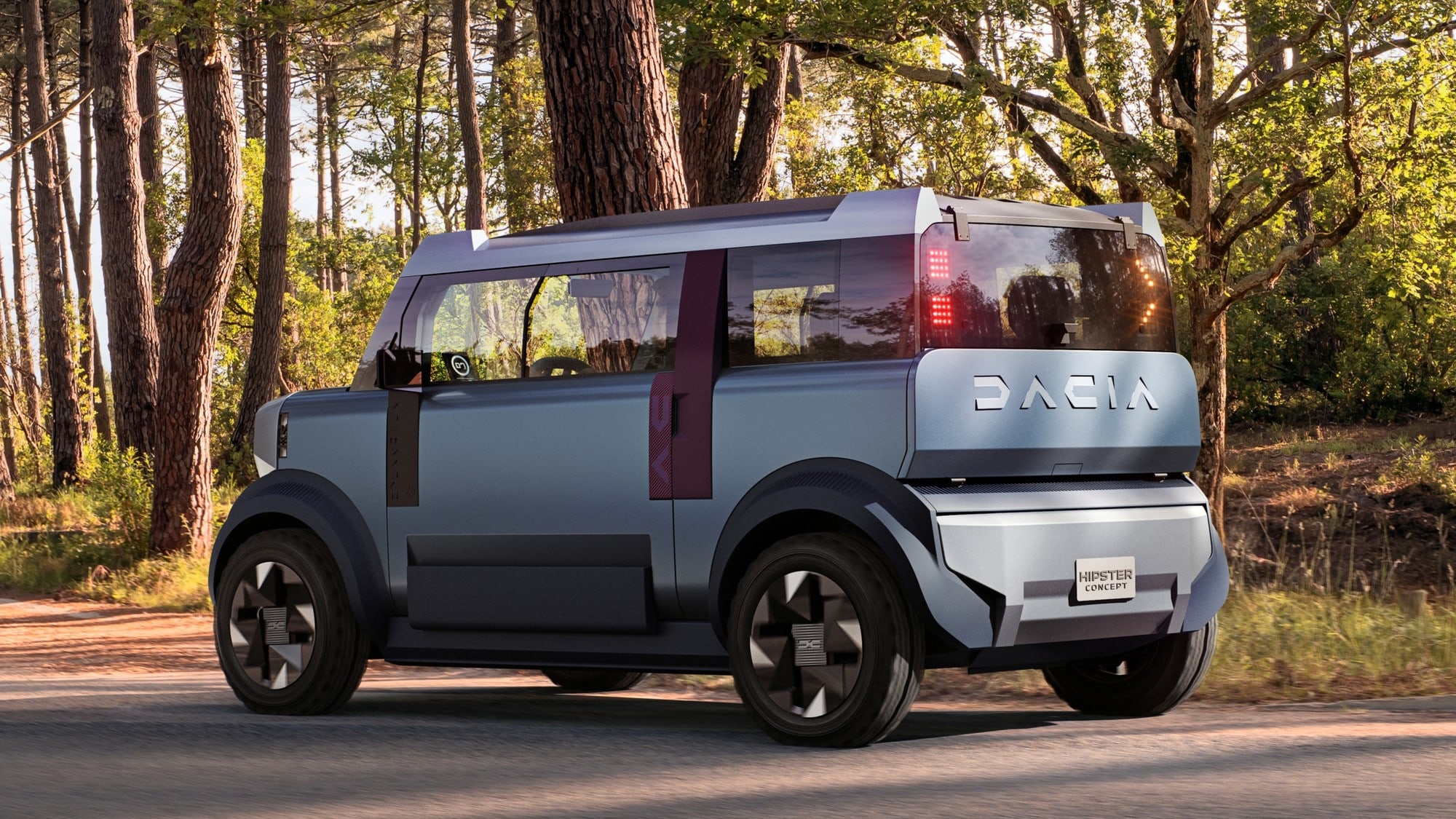
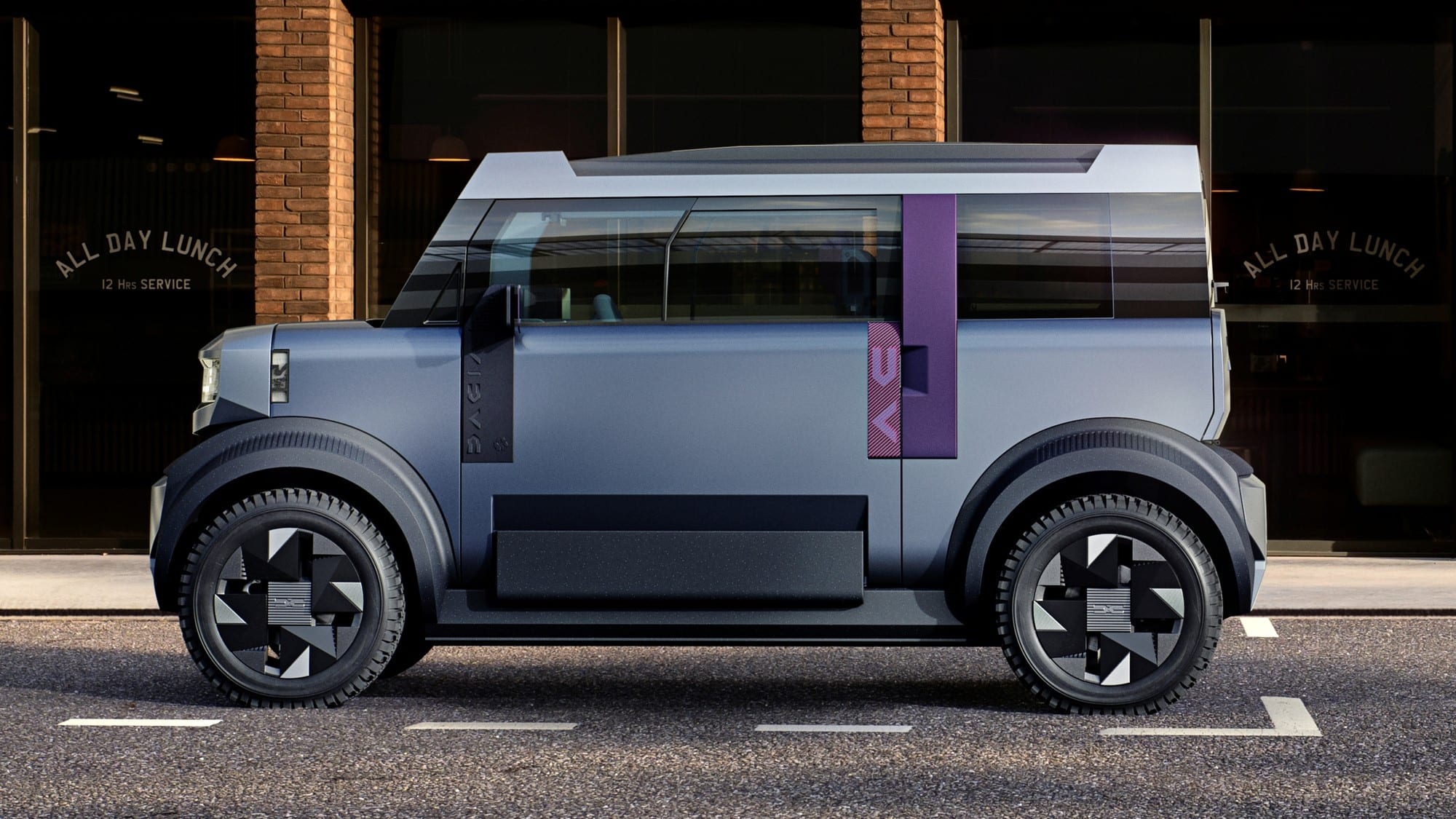
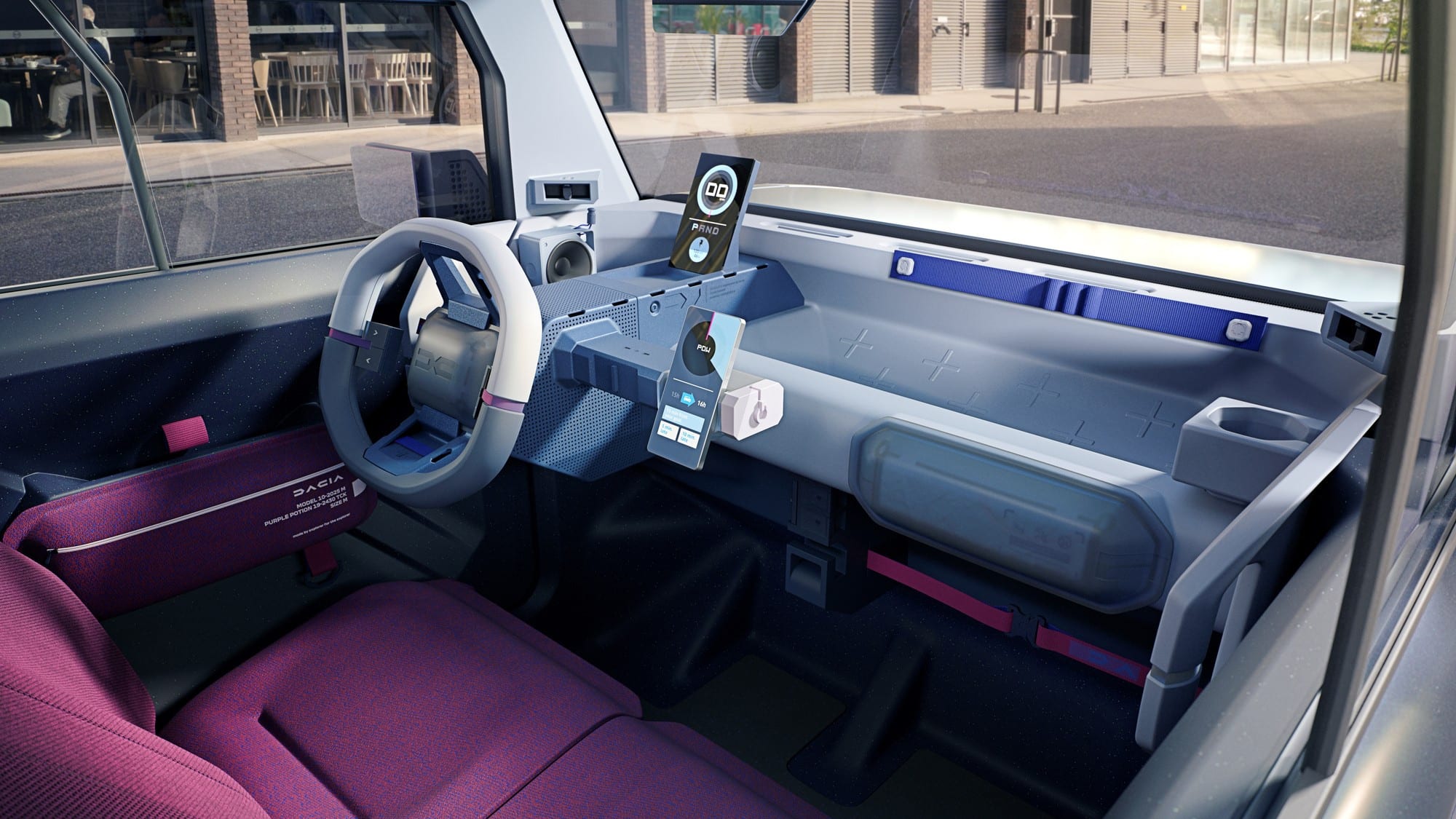
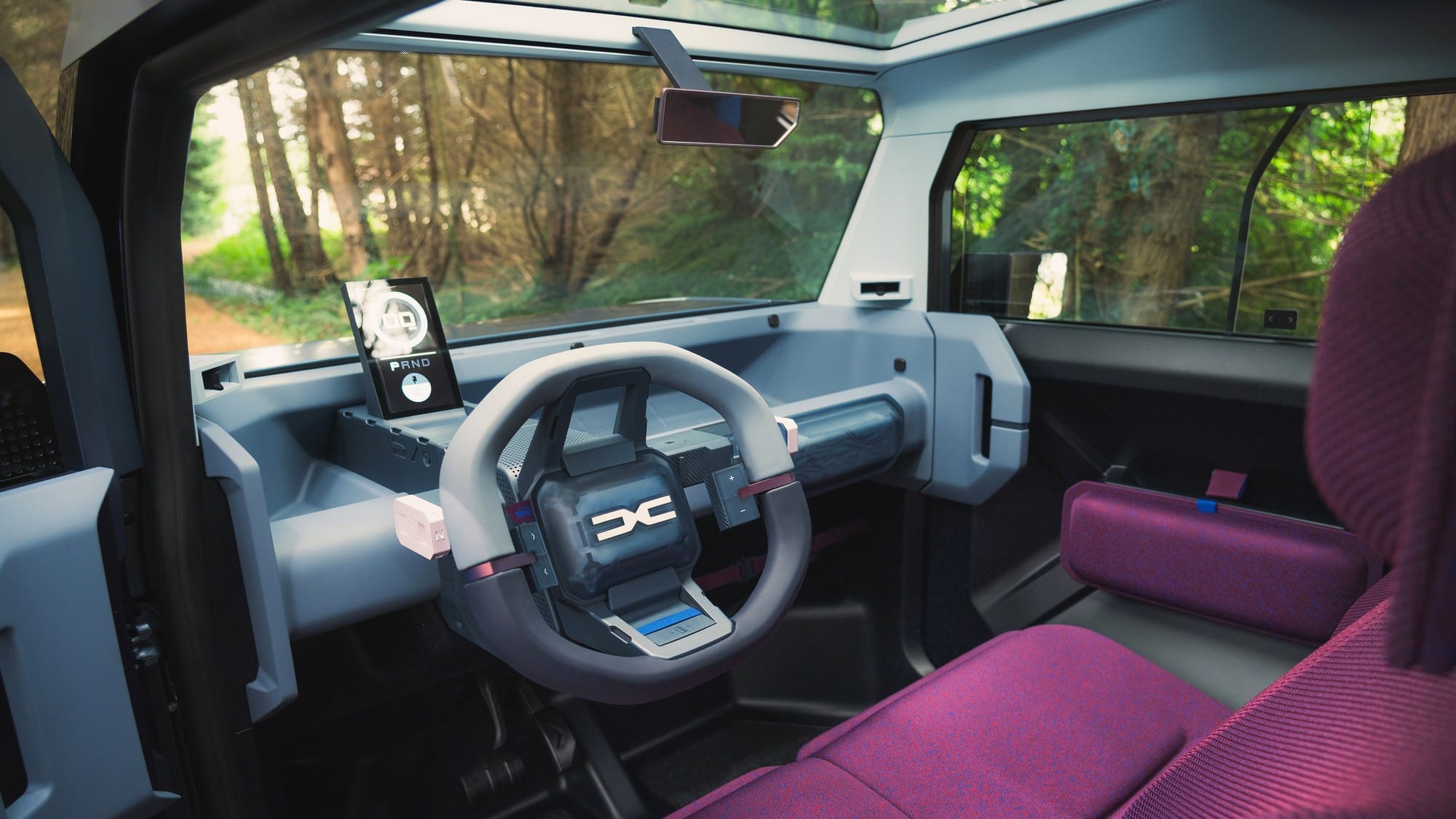
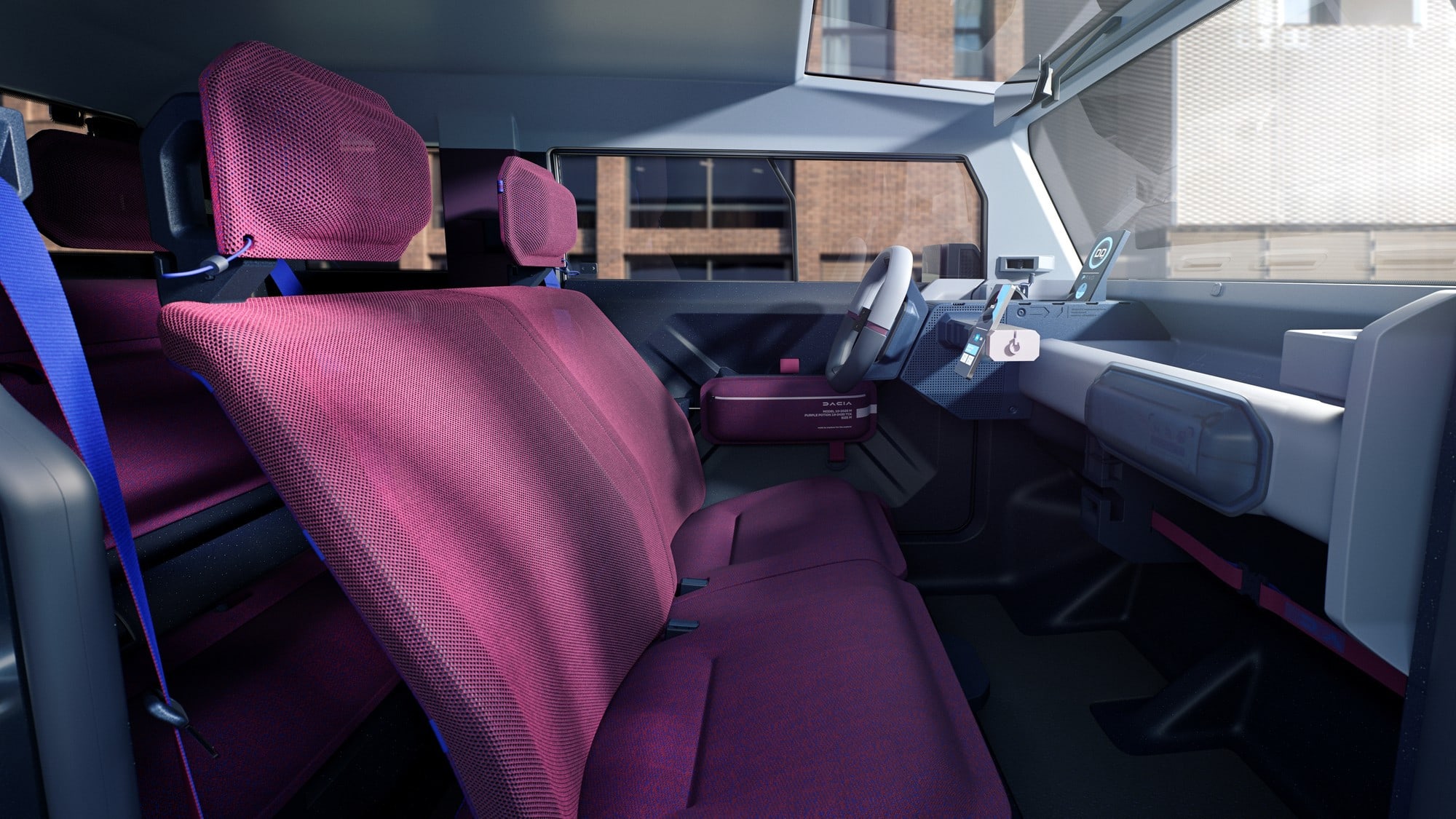
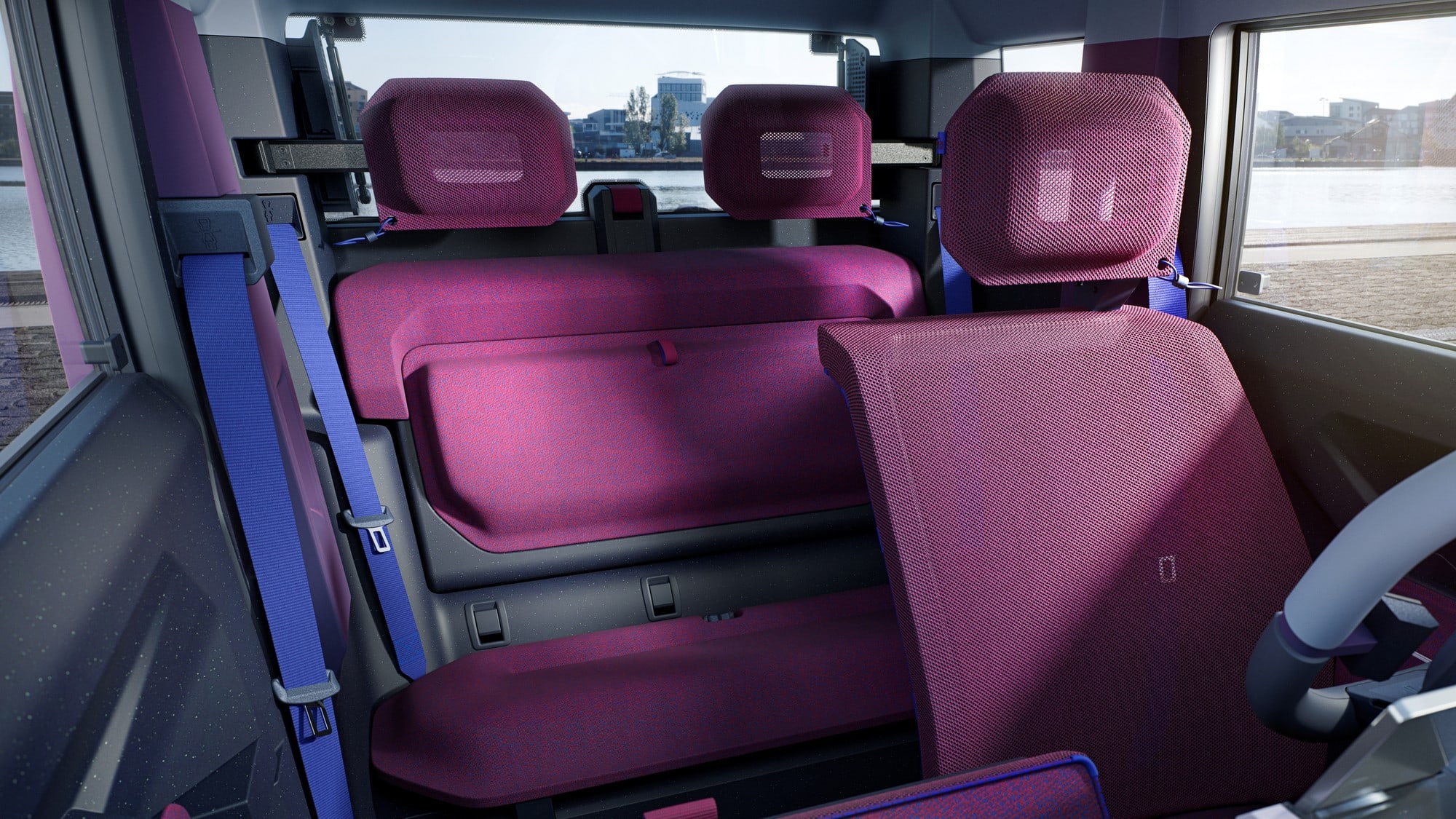
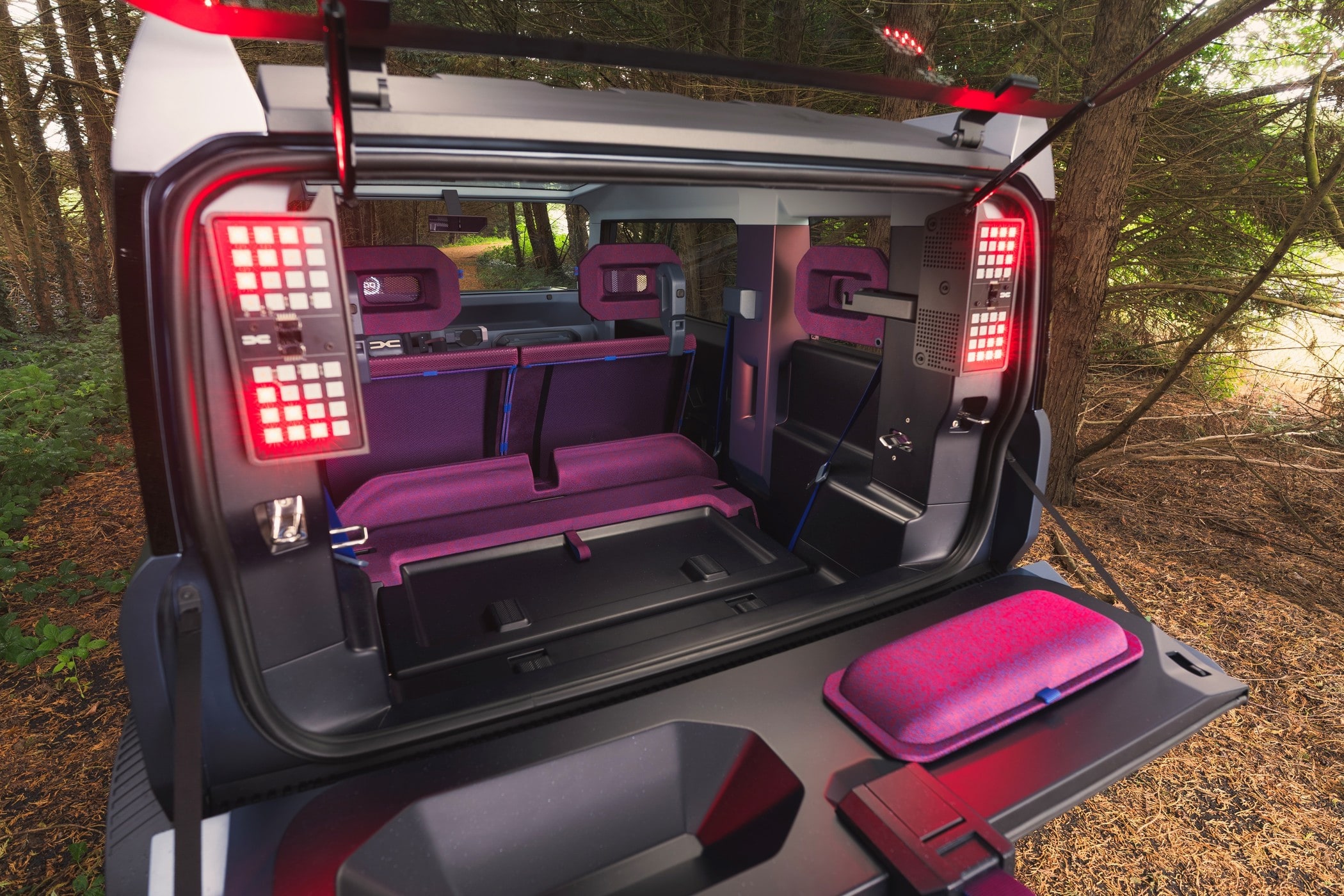
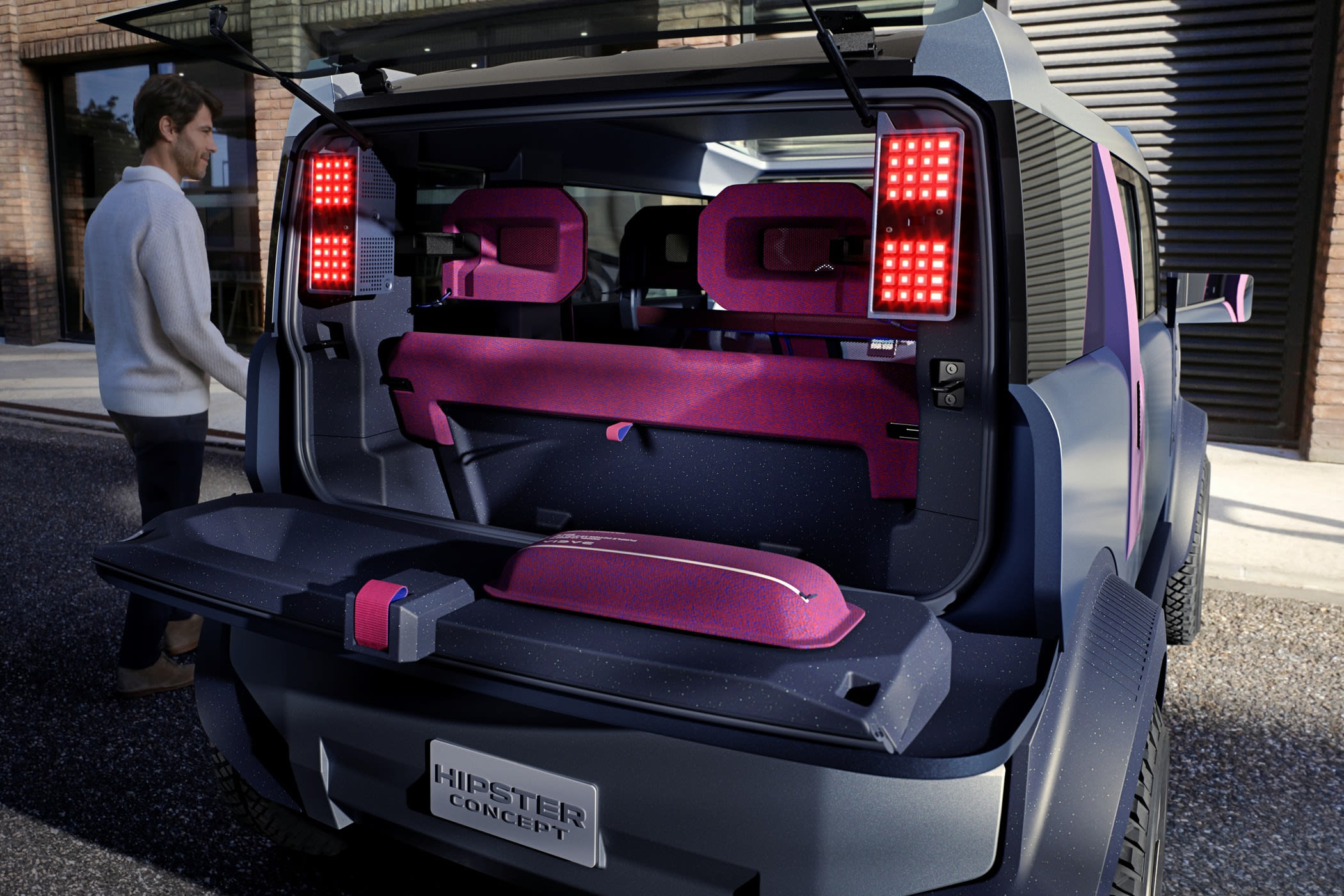
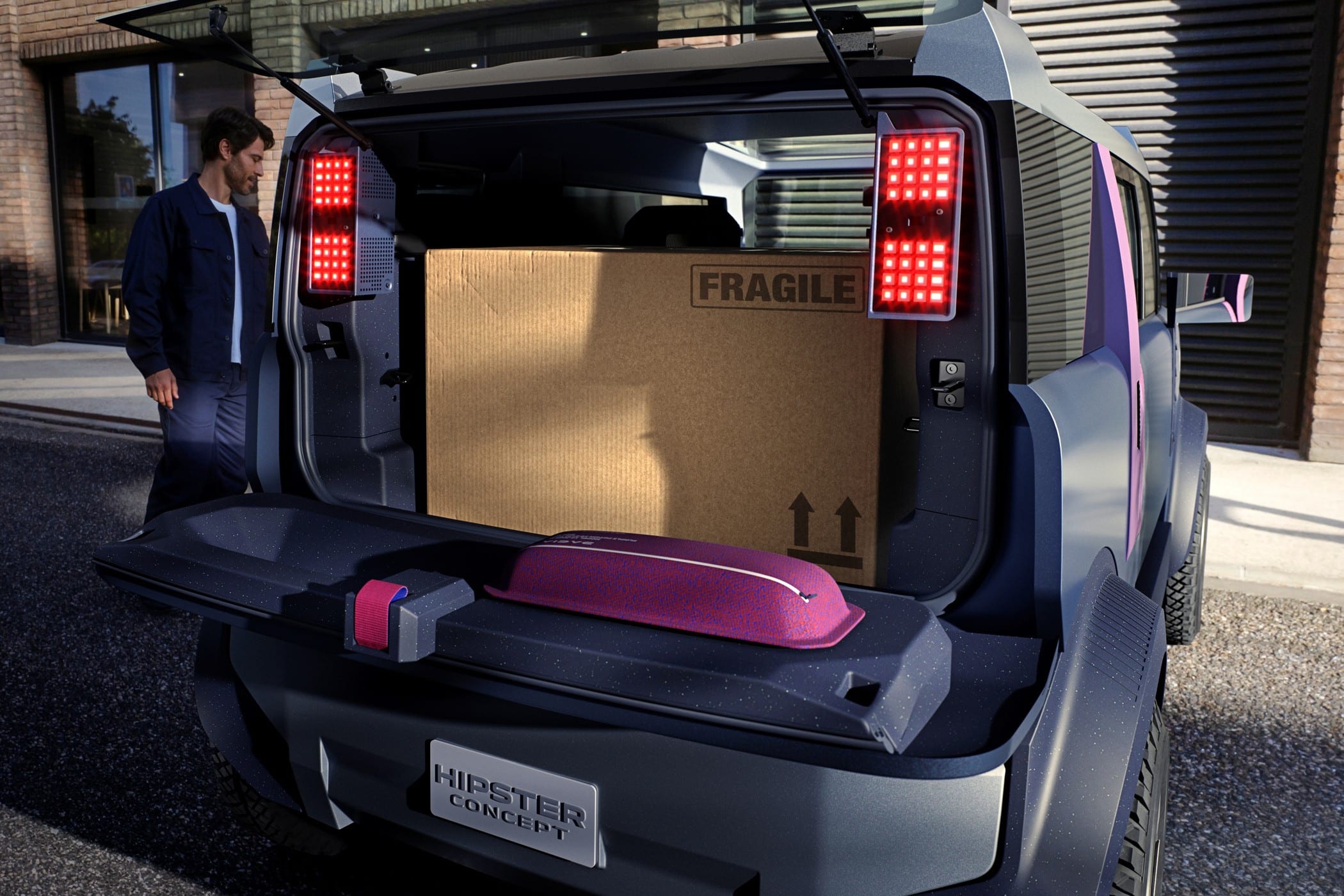
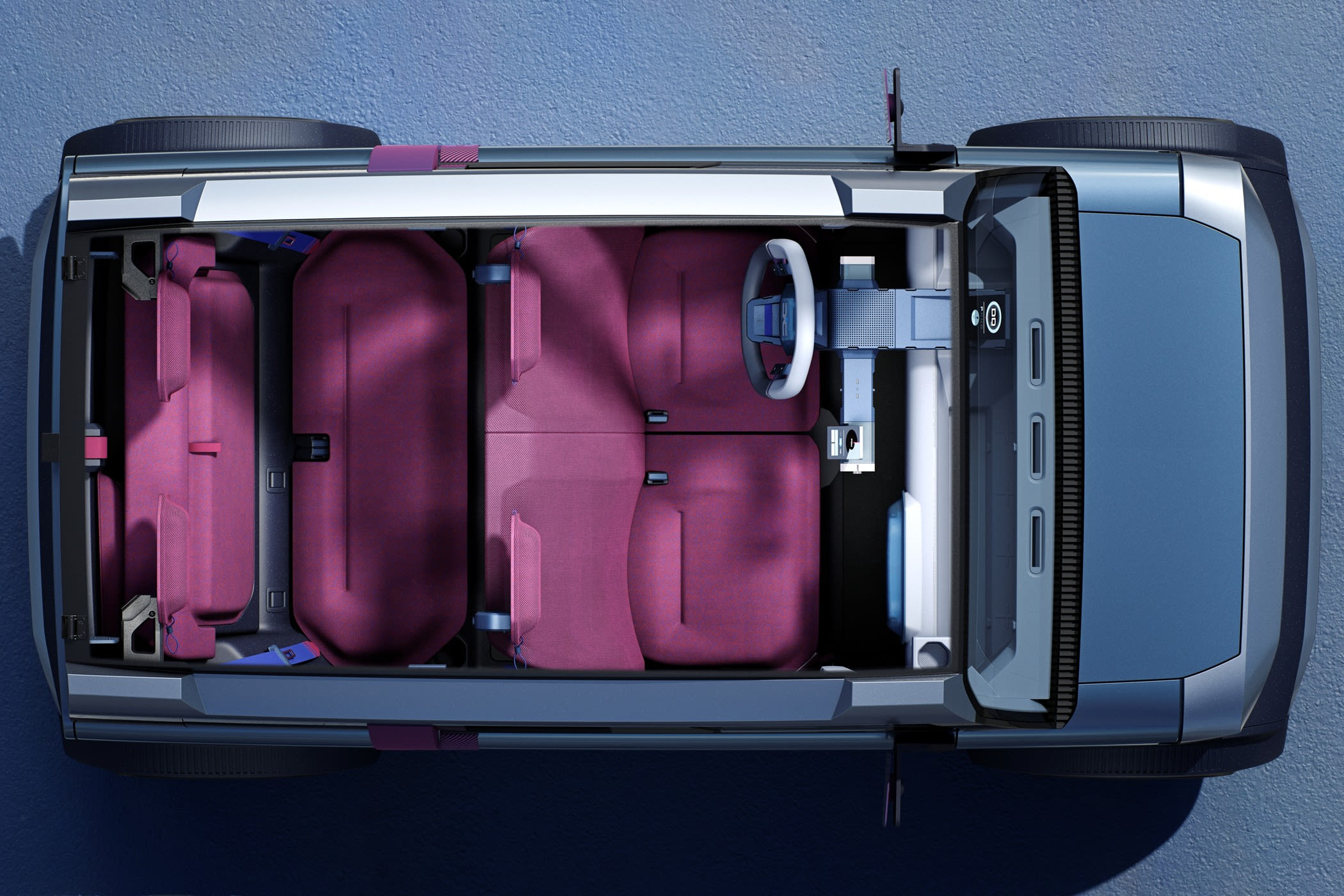
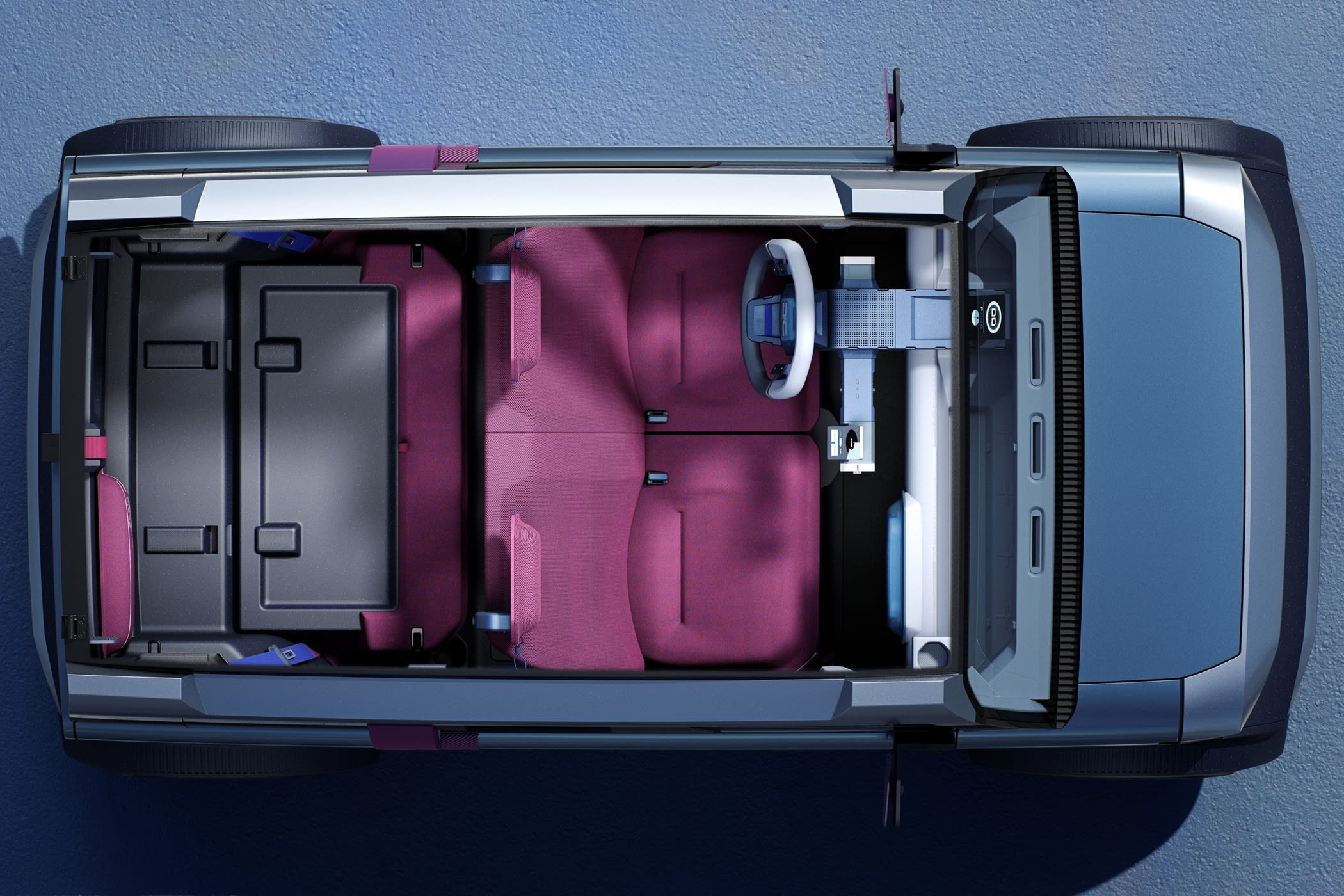
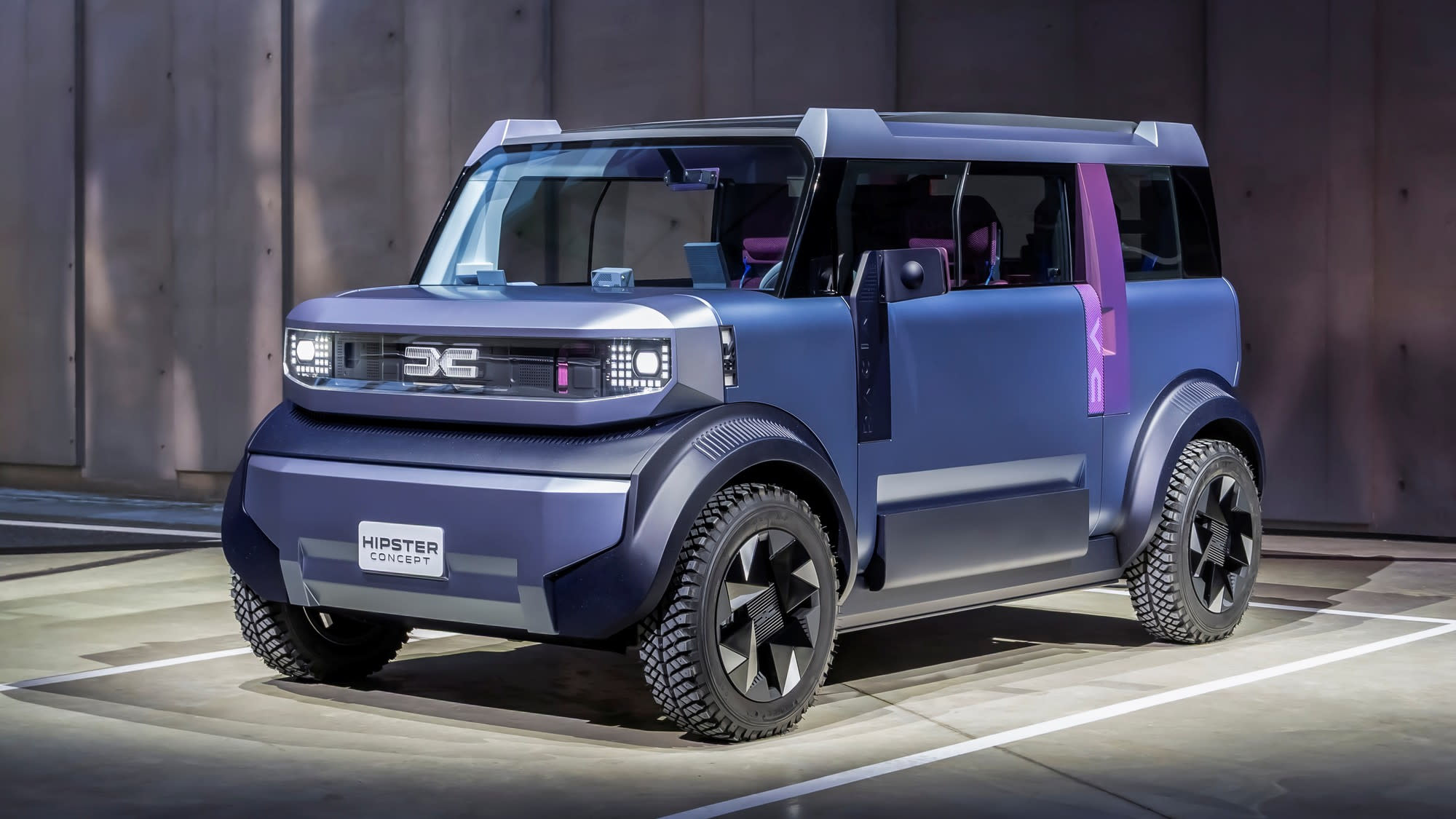
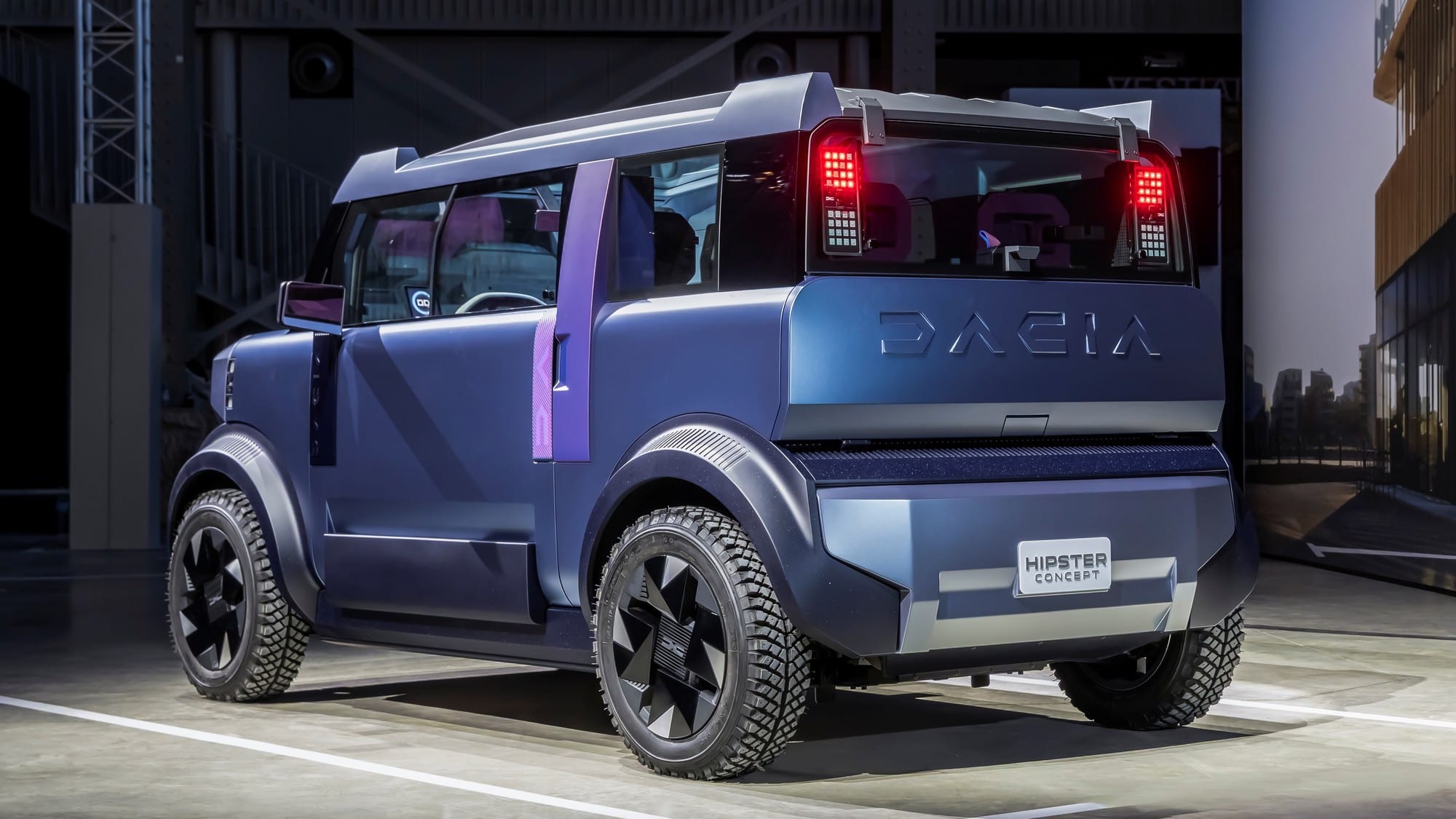
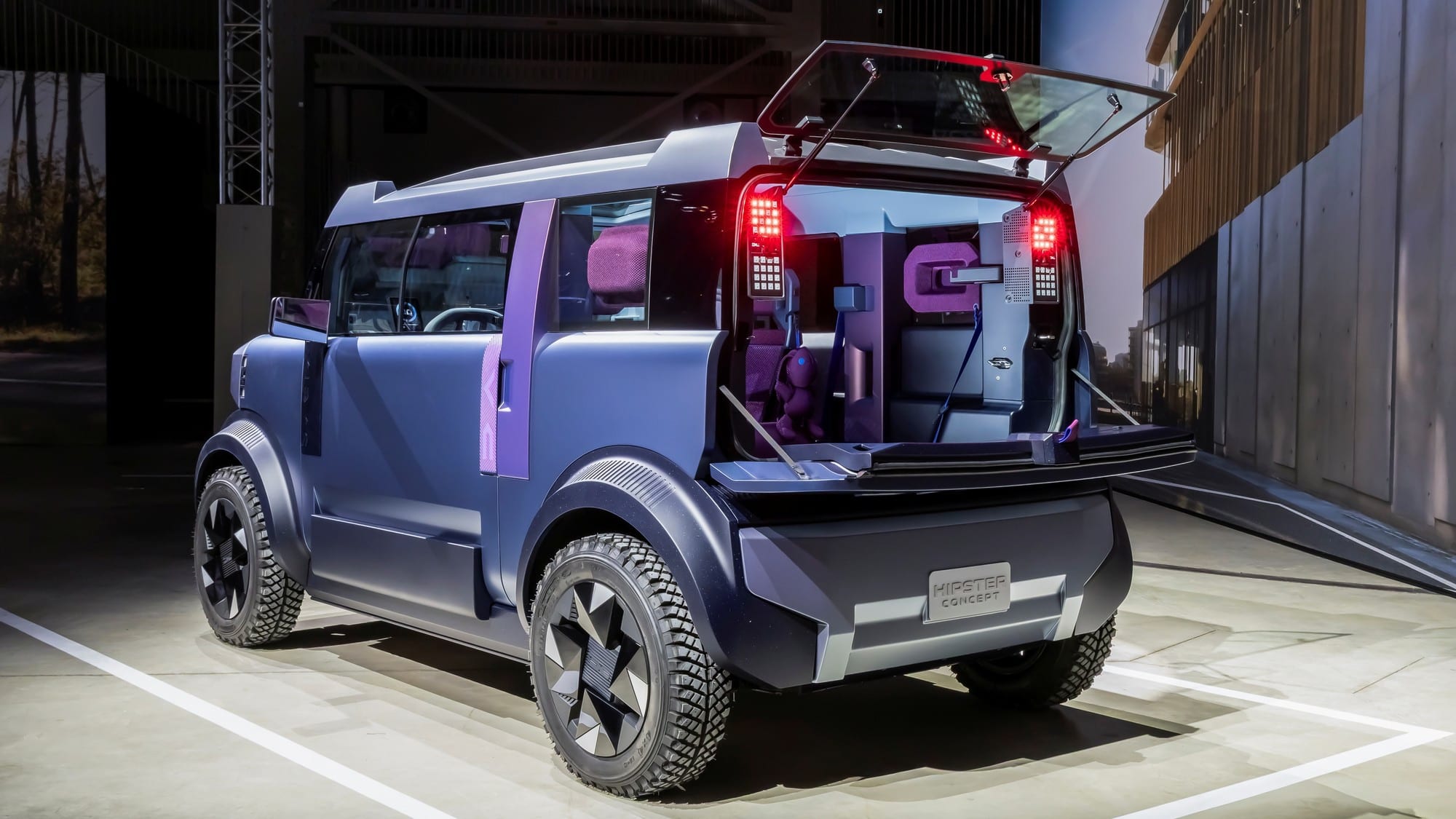
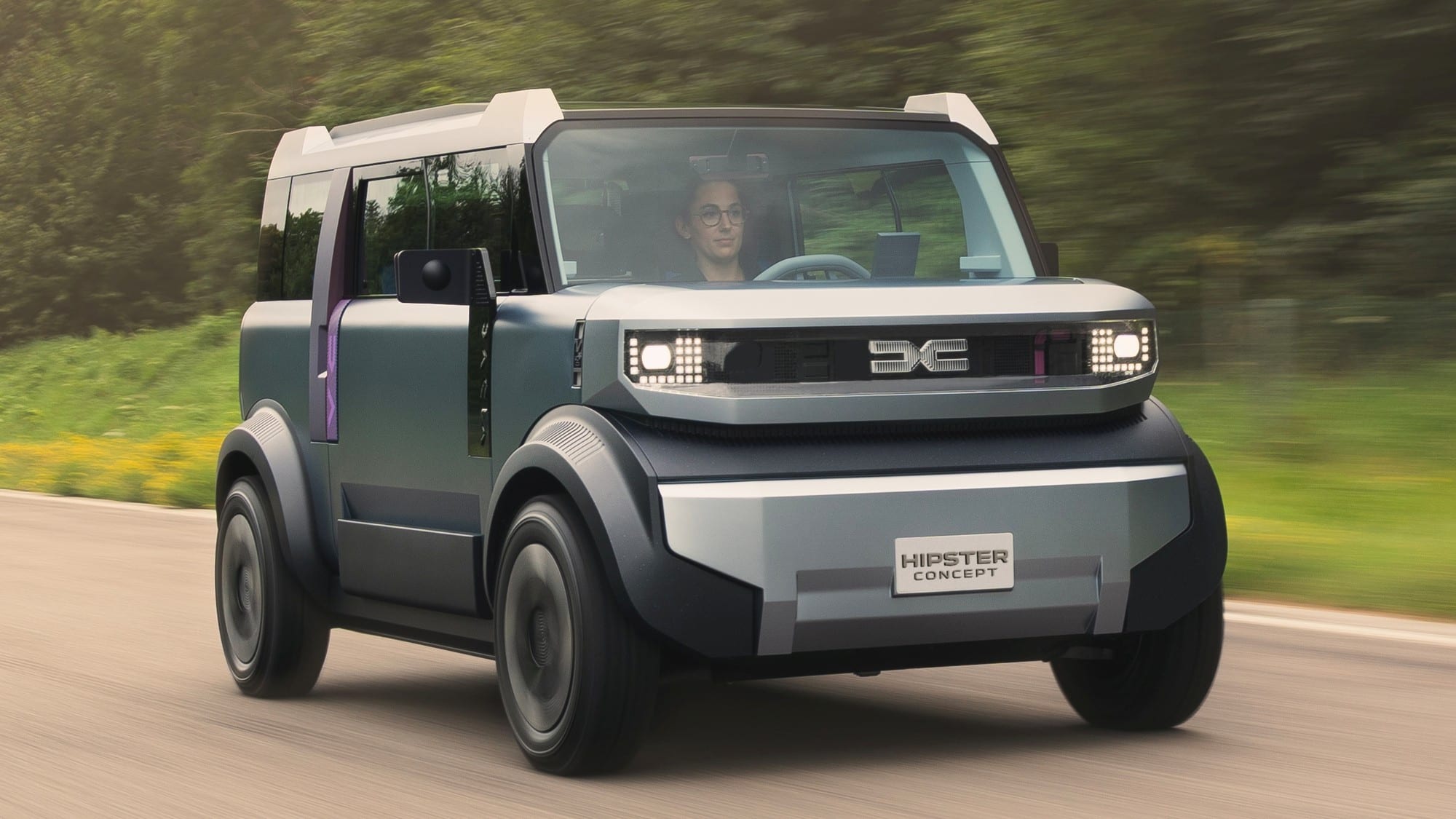
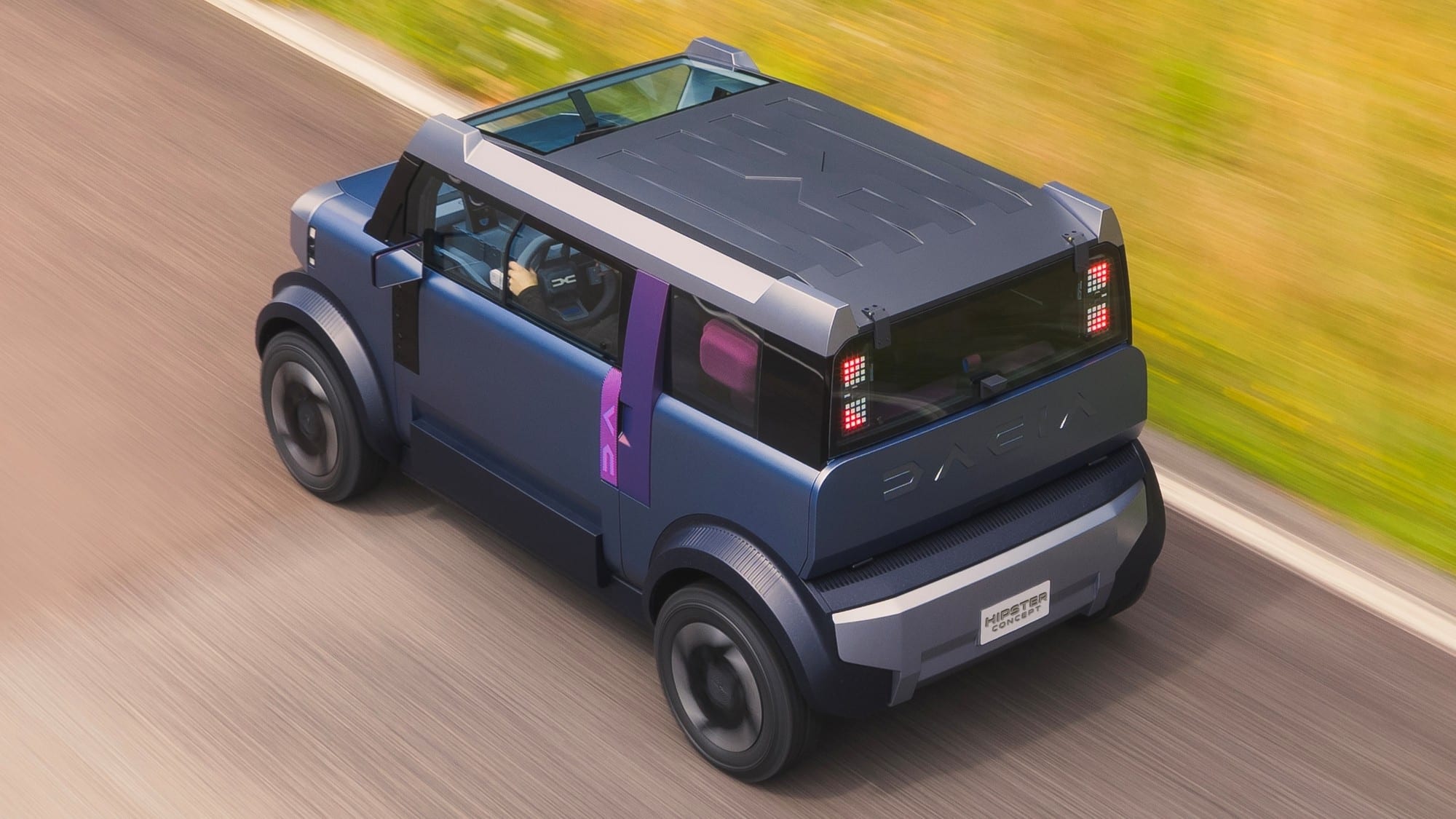
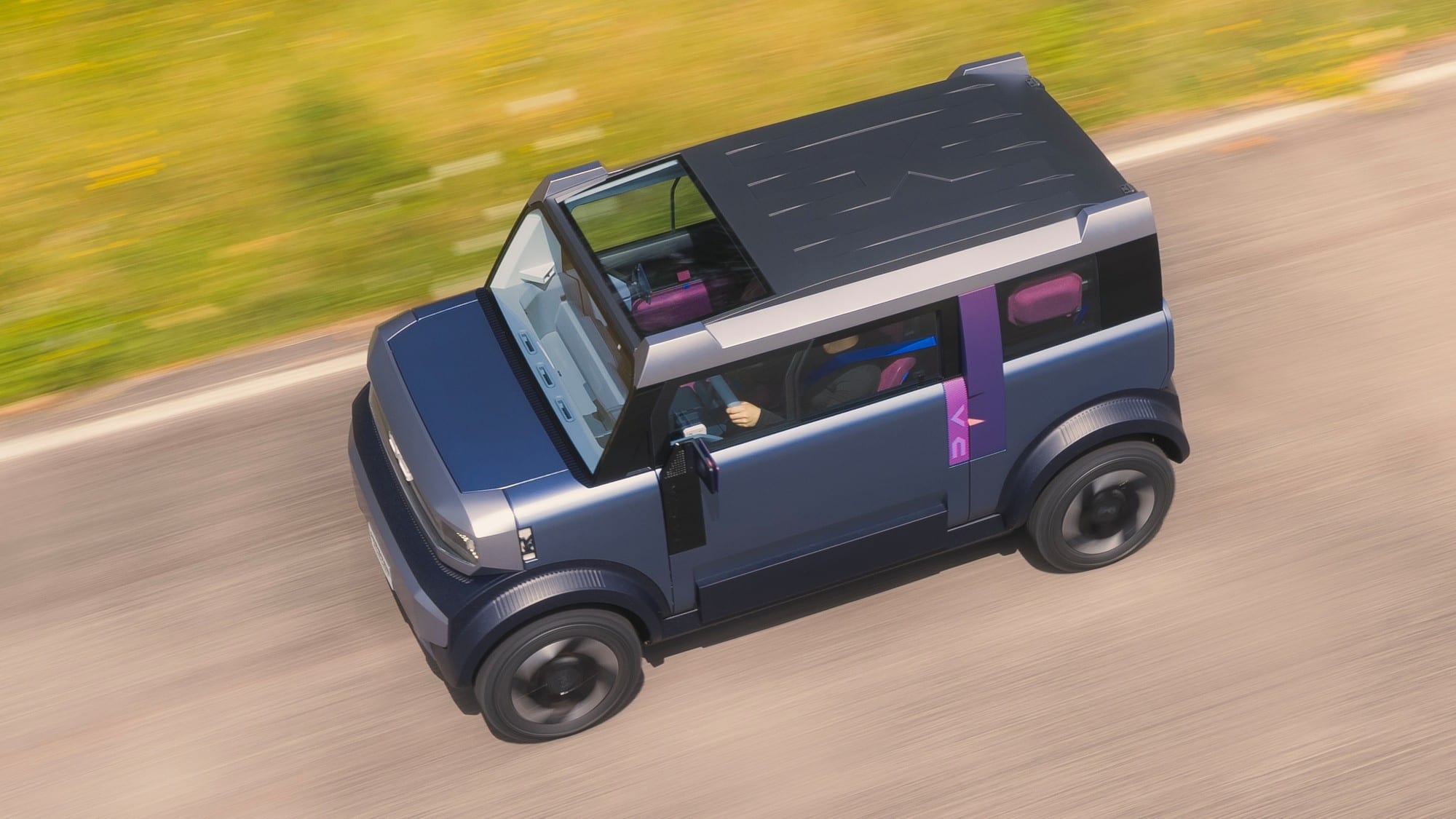
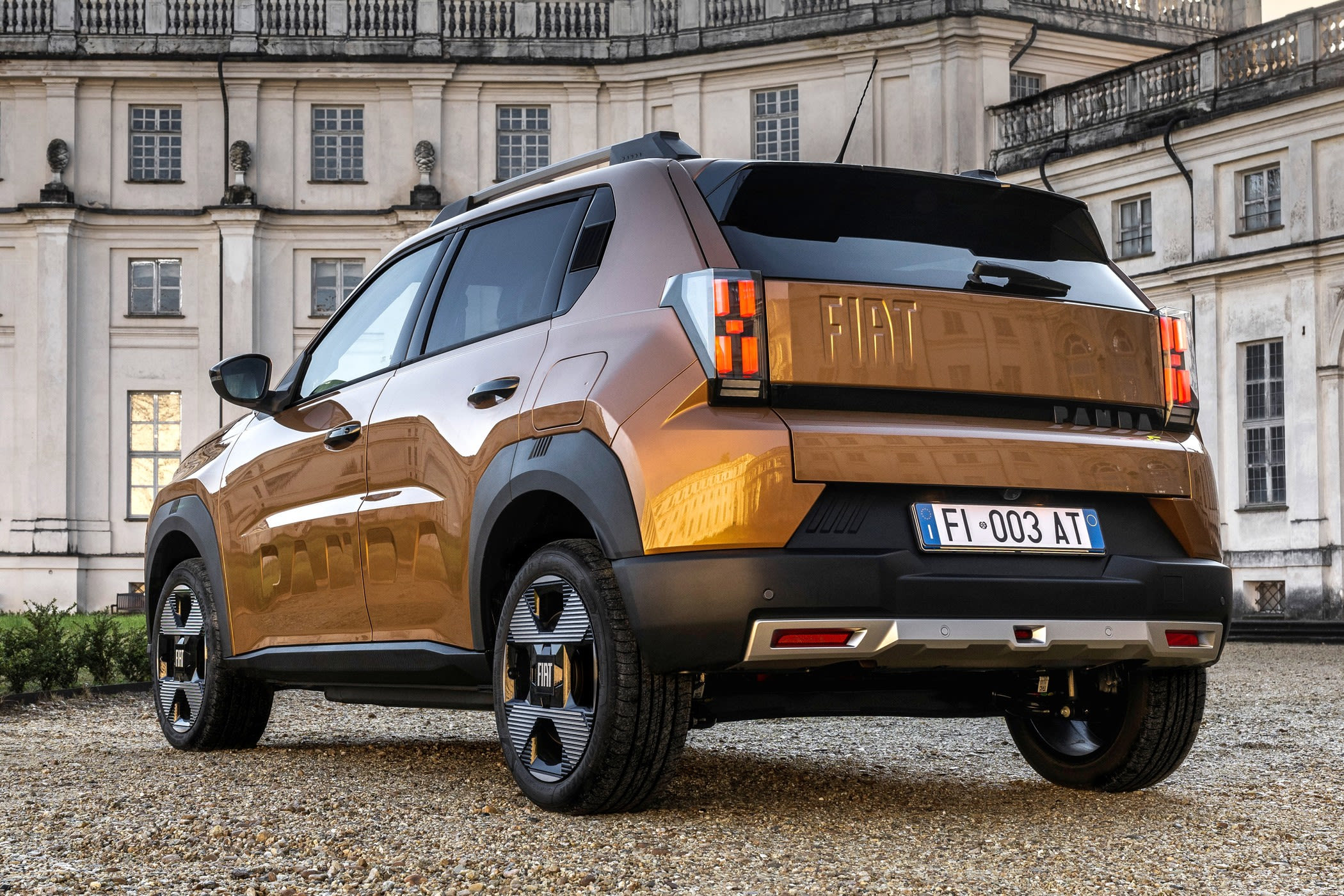
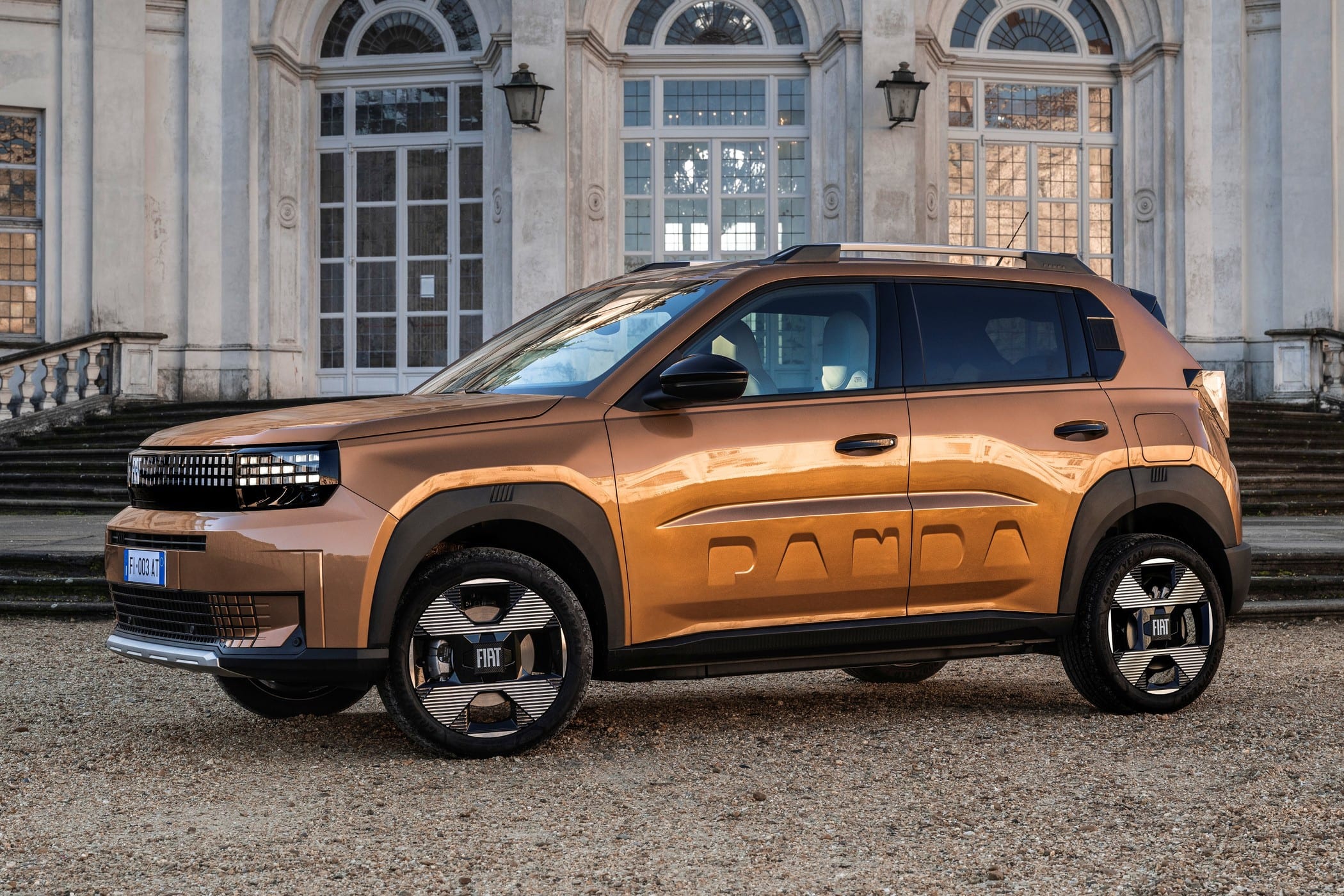
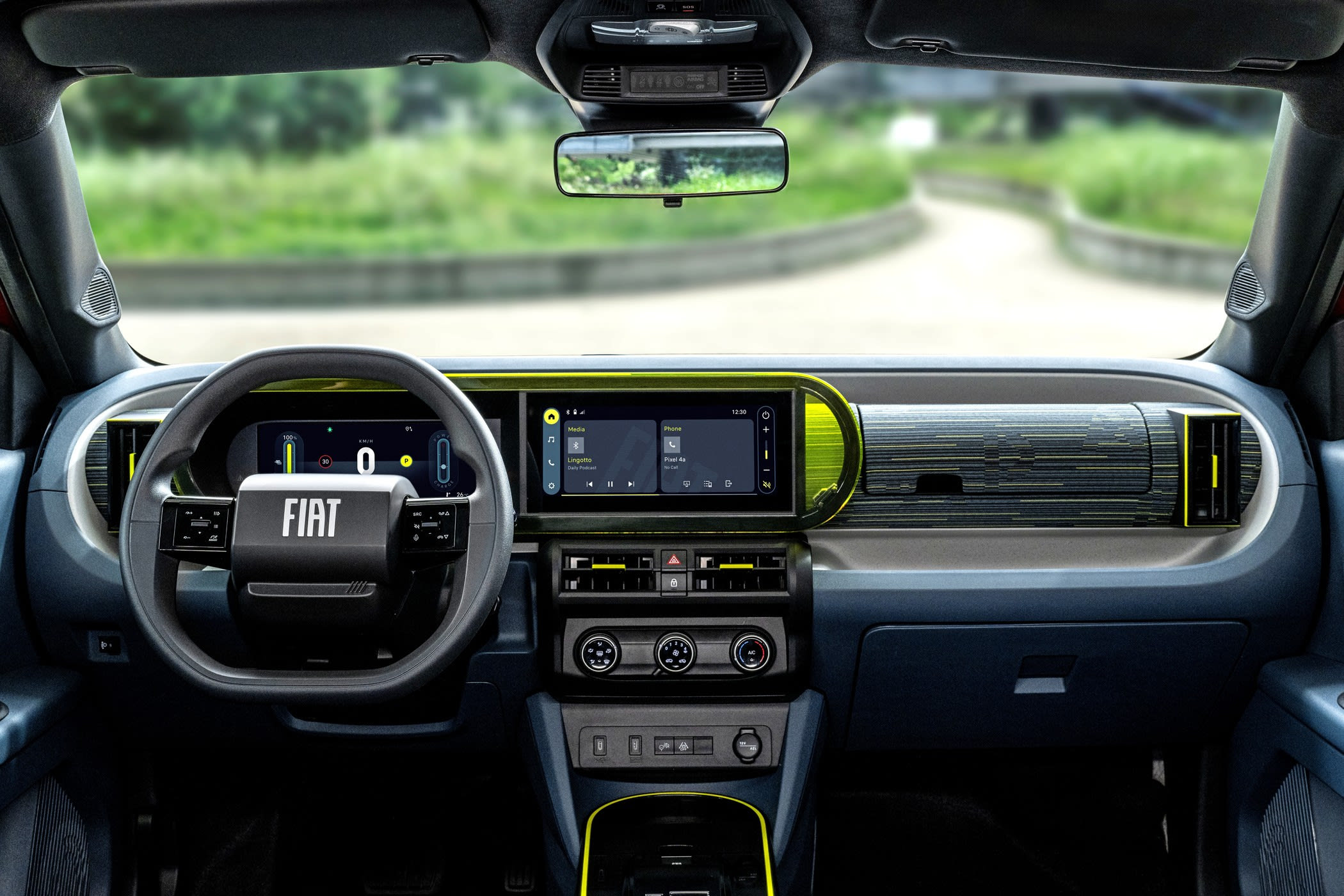
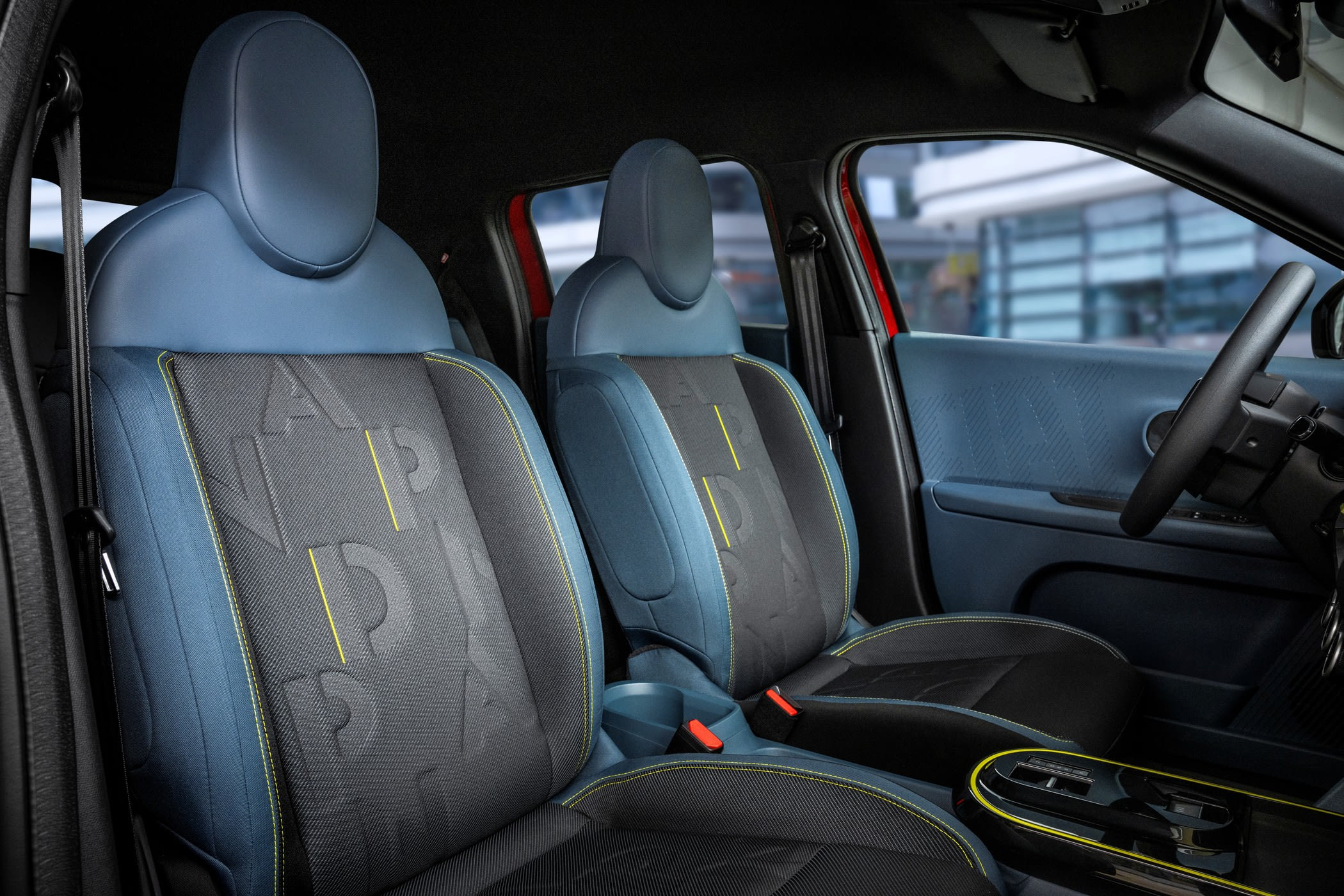
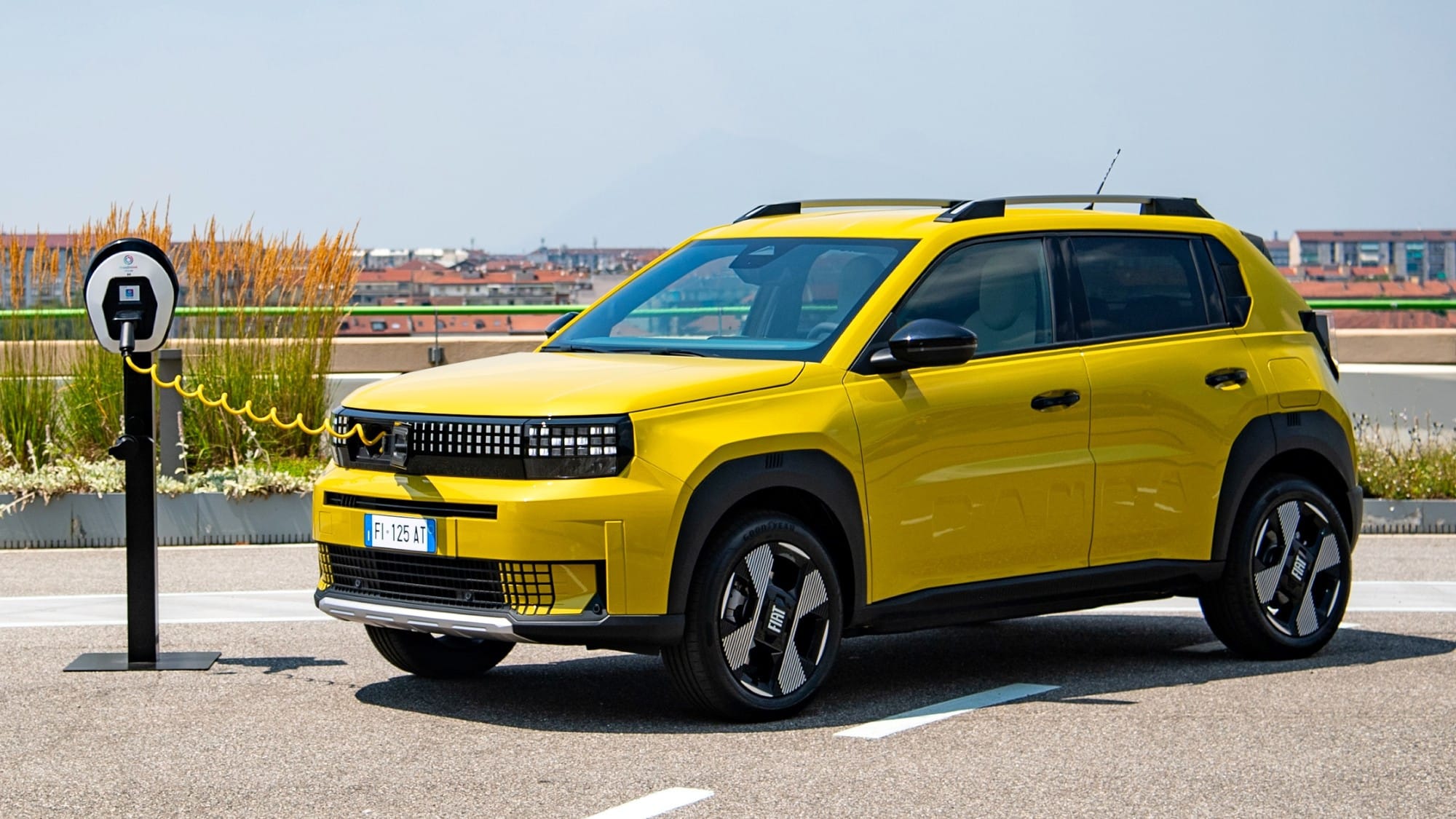
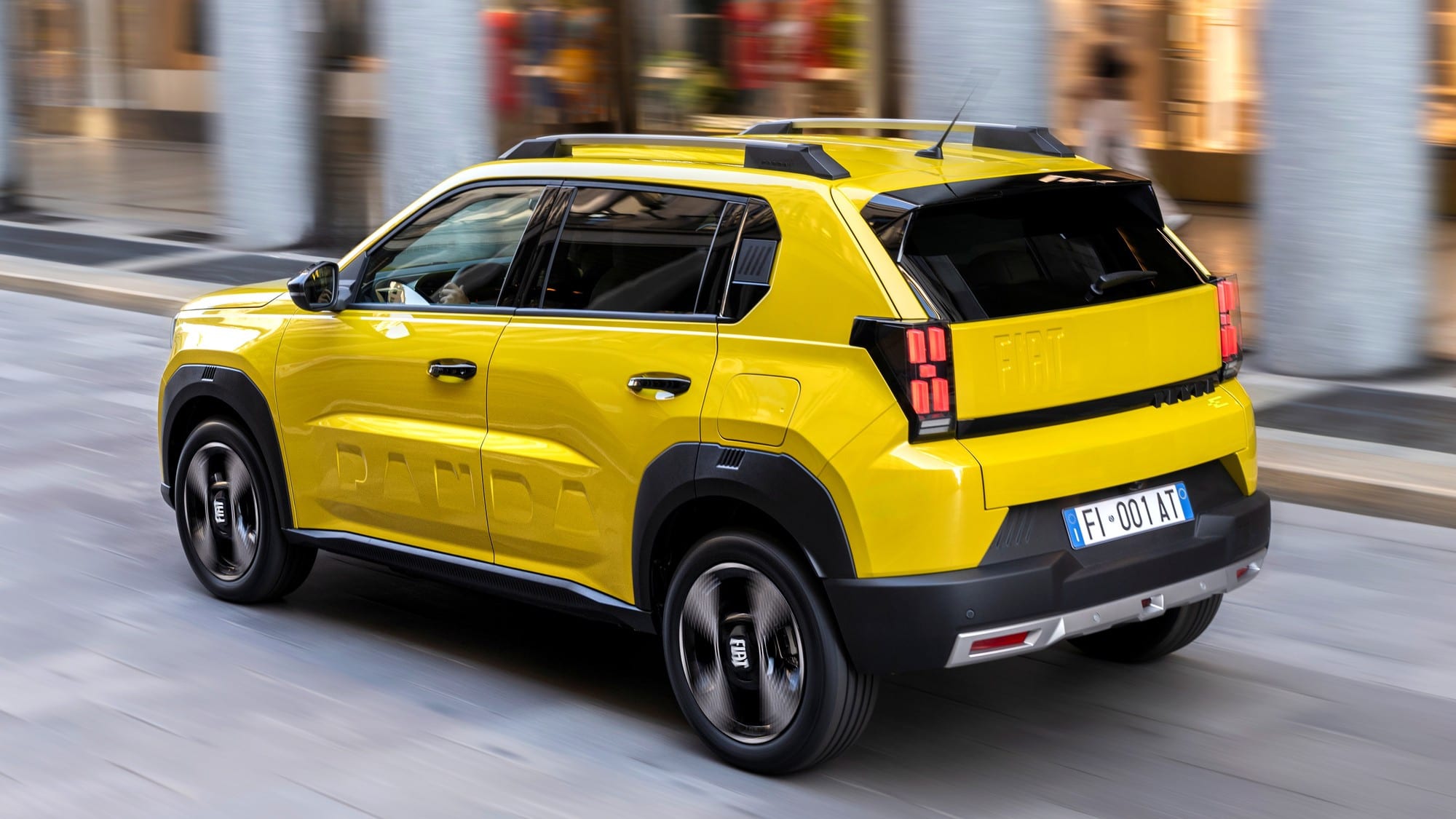
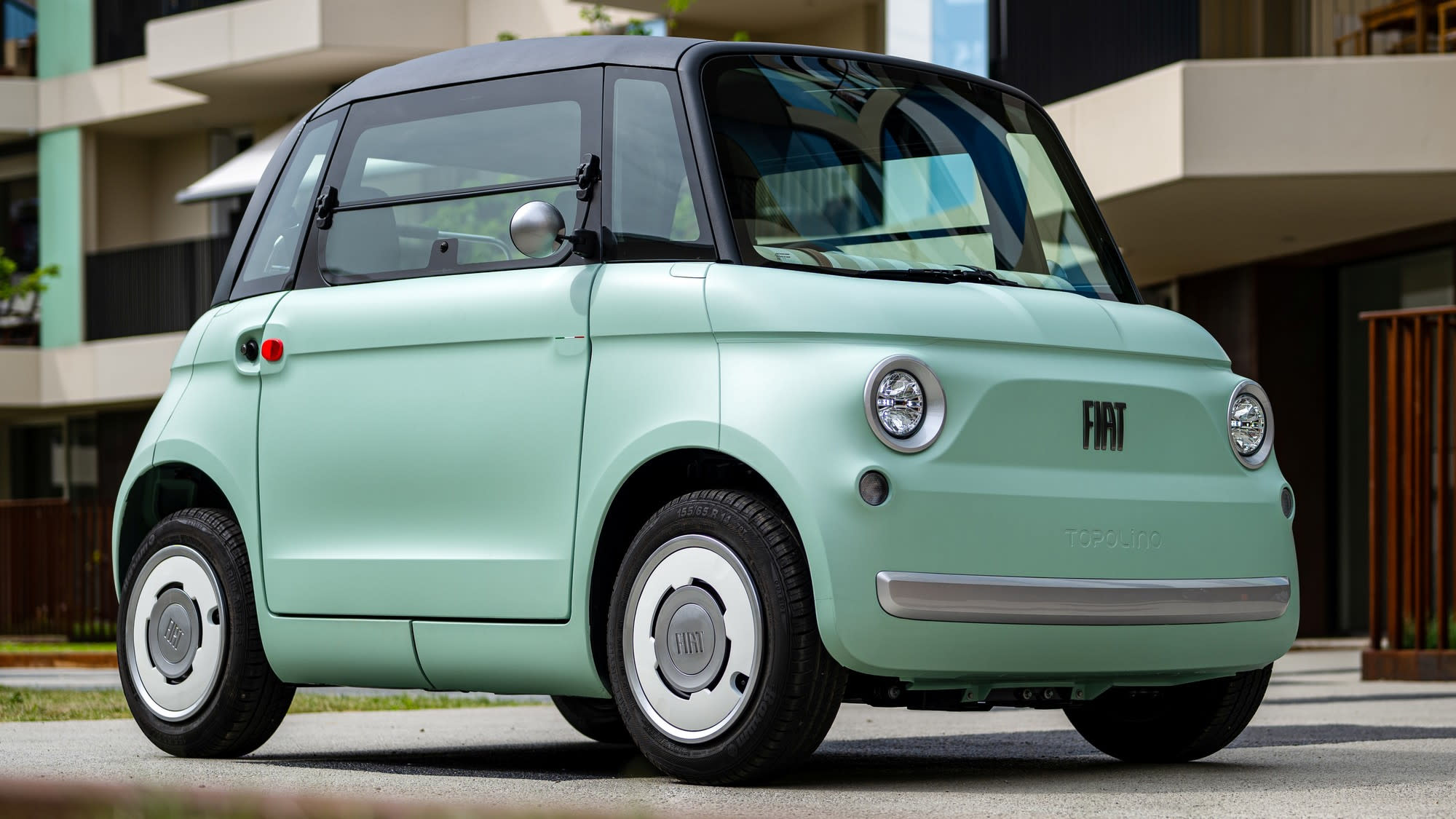
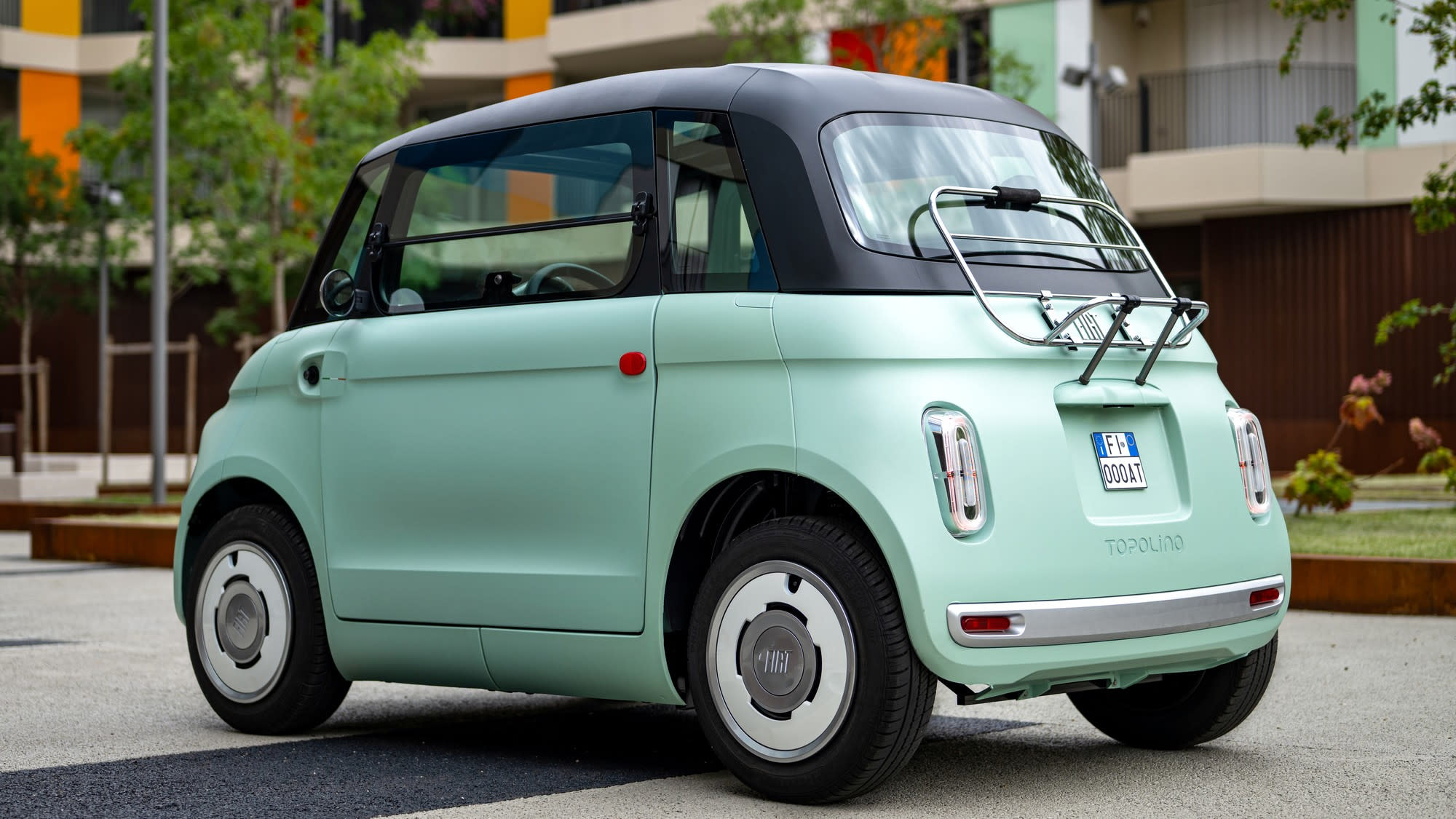
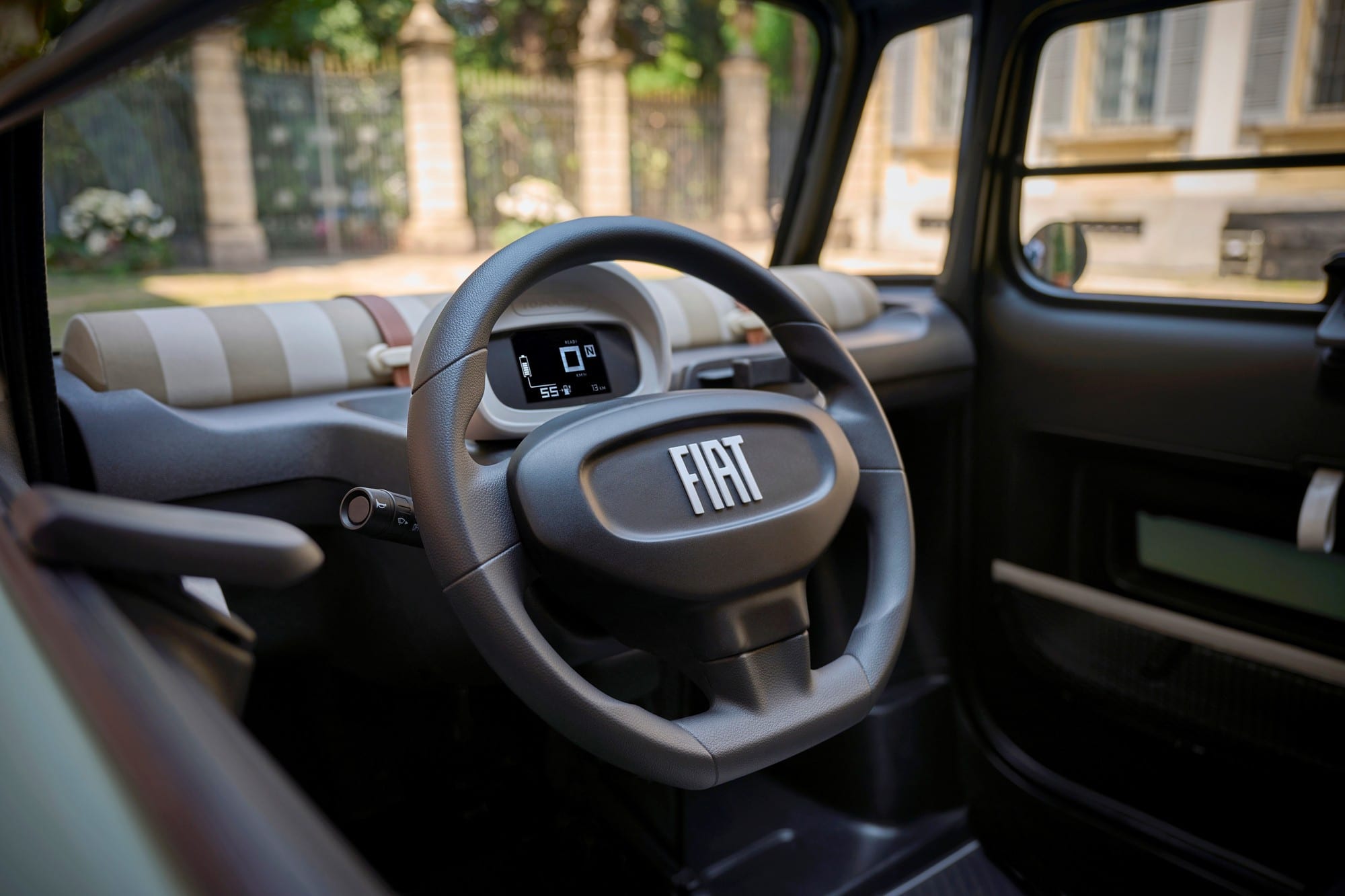
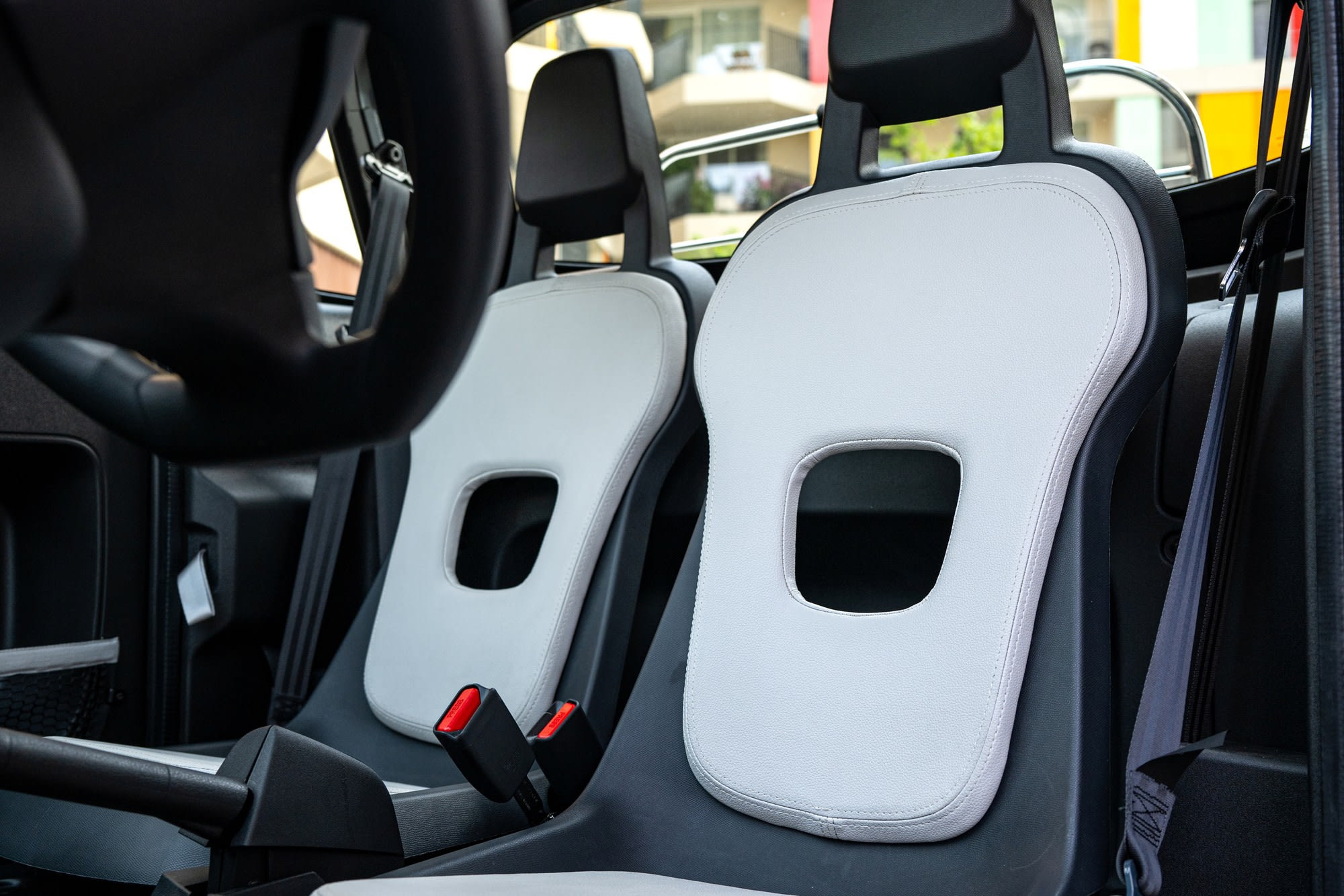
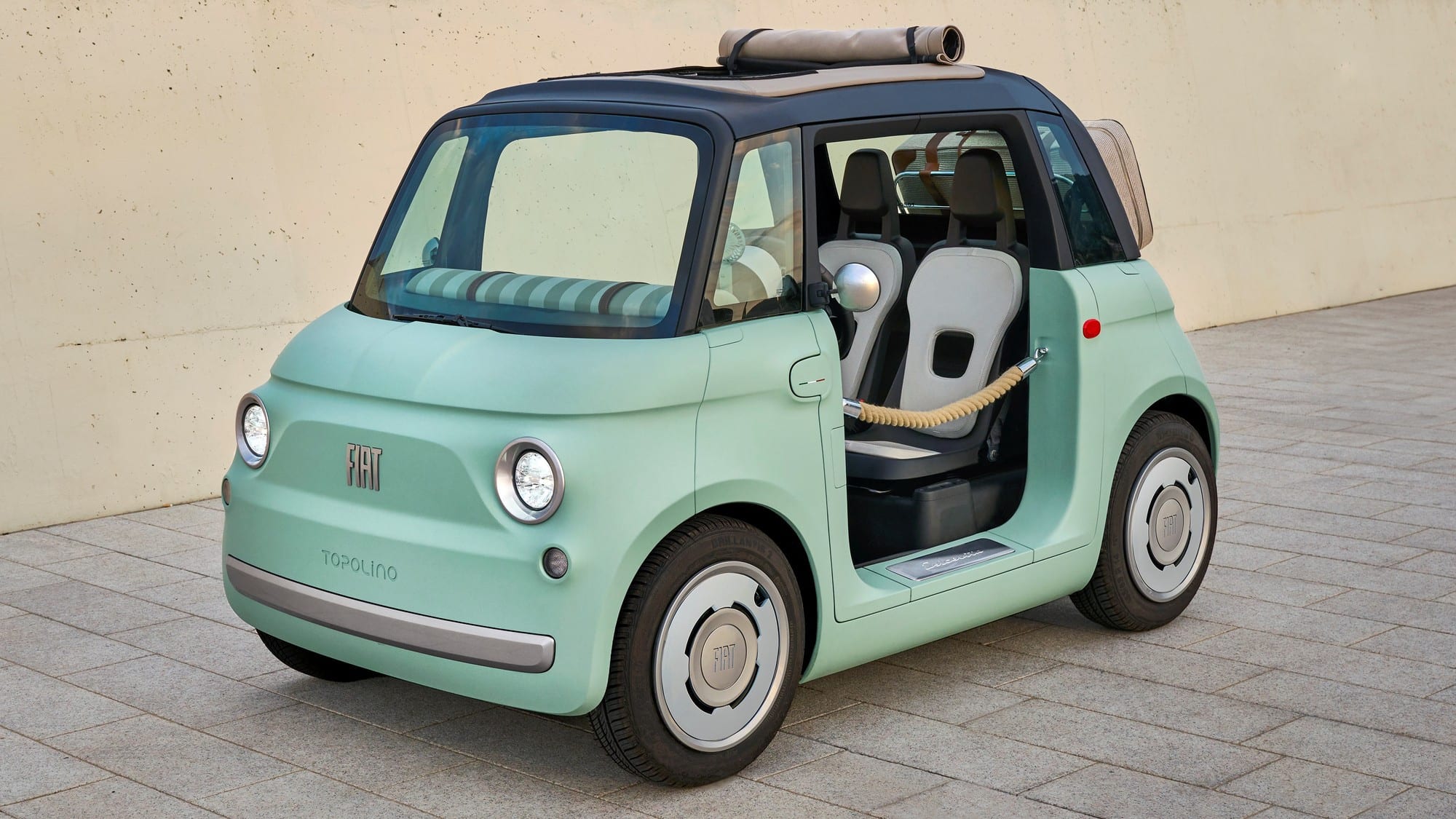
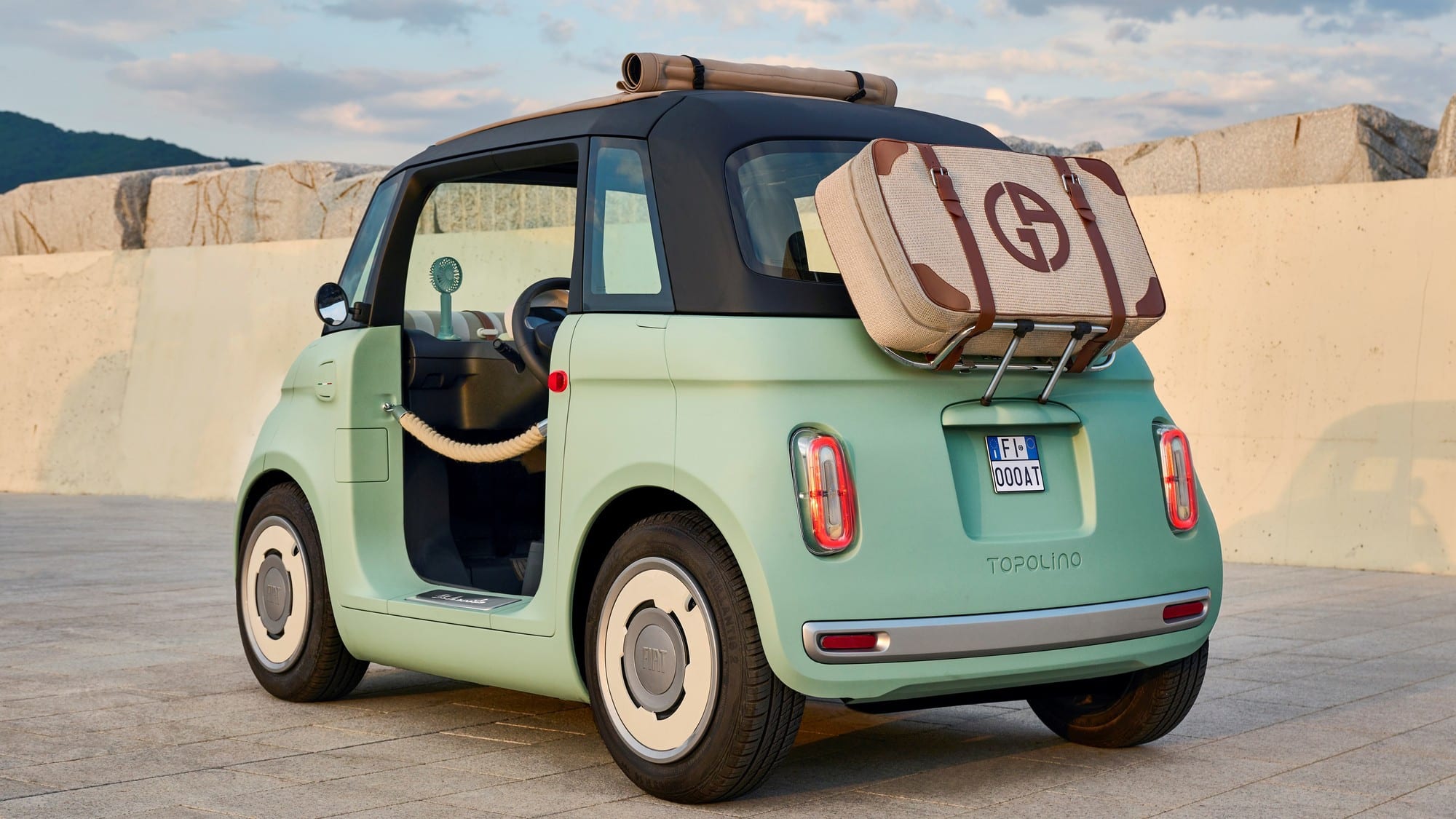
The images in this article show three reference points: the Dacia Hipster concept (a Renault Group study from 2024 that demonstrated what an M1E-class vehicle could look like), the Fiat Grande Panda (a conventional full M1 small car, showing the size class above M1E), and the Fiat Topolino (a quadricycle, showing the category below). The E-Car programme targets the gap between them.