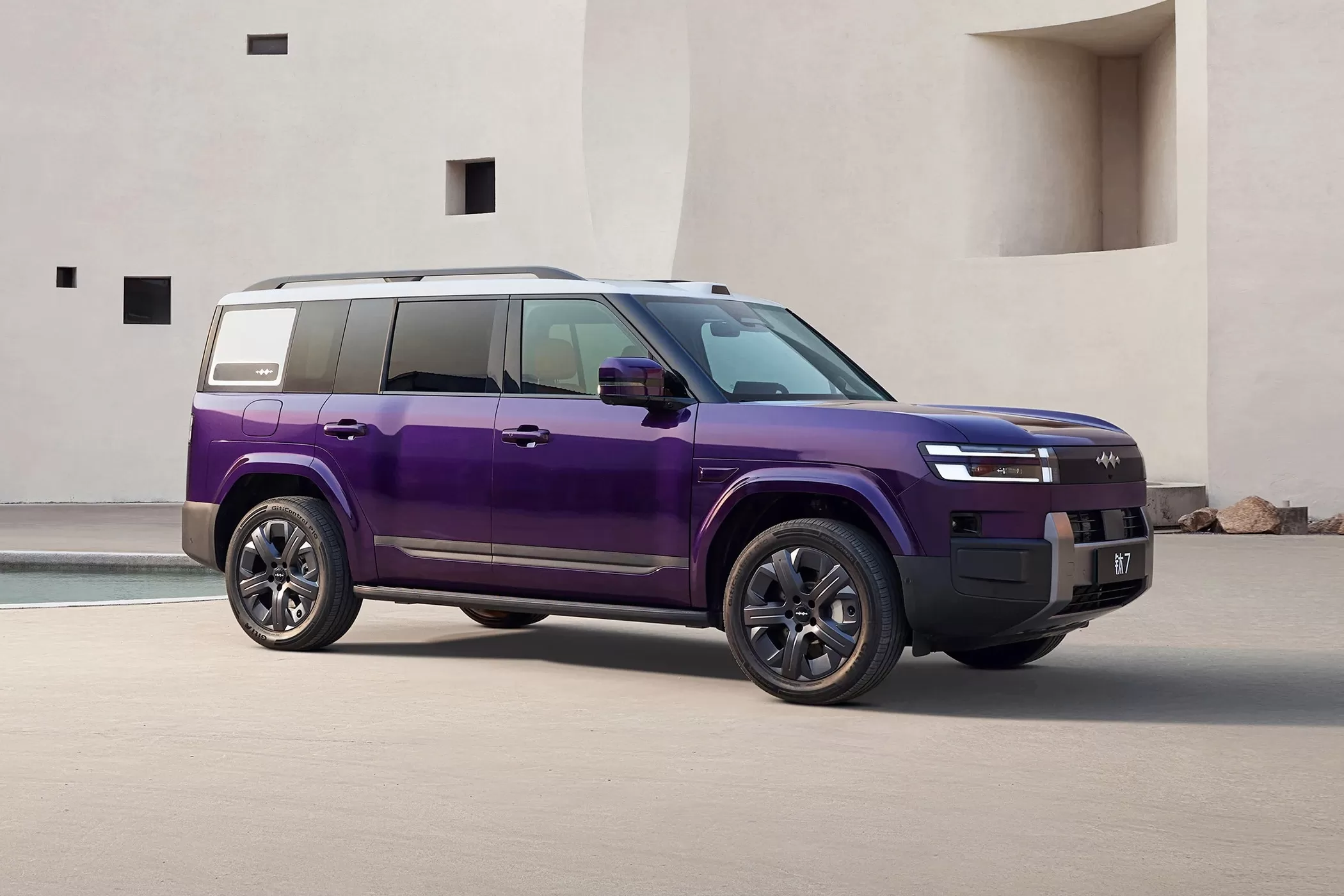
FangChengBao sits between BYD’s Yangwang (ultra-luxury) and Denza (premium) brands in the group’s lineup. The Tai 7 launched in 2025 as a PHEV and sold 43,000 units in Q1 2026. The lineup now adds BEV variants alongside the existing PHEV range.
Platform and body
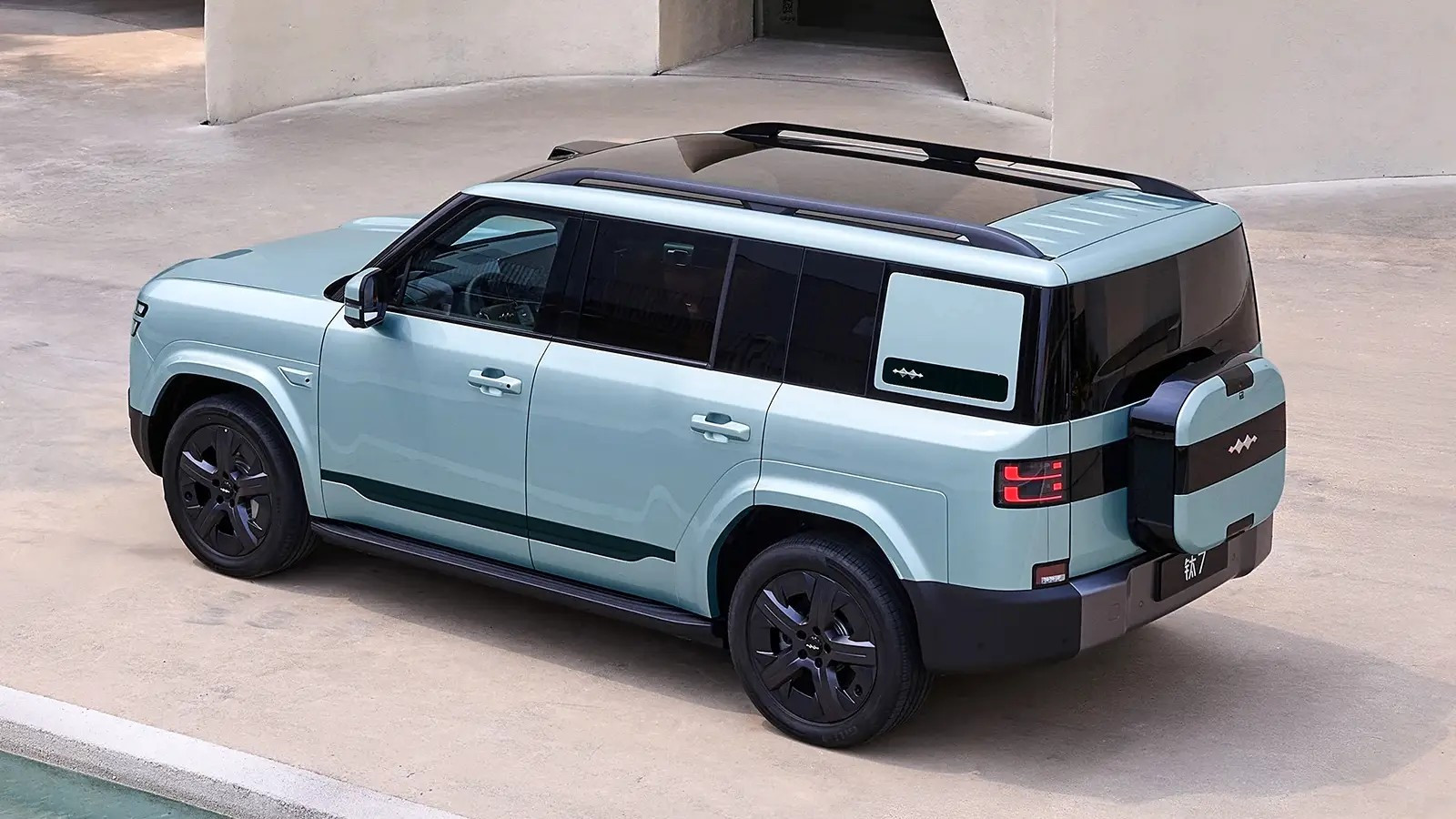
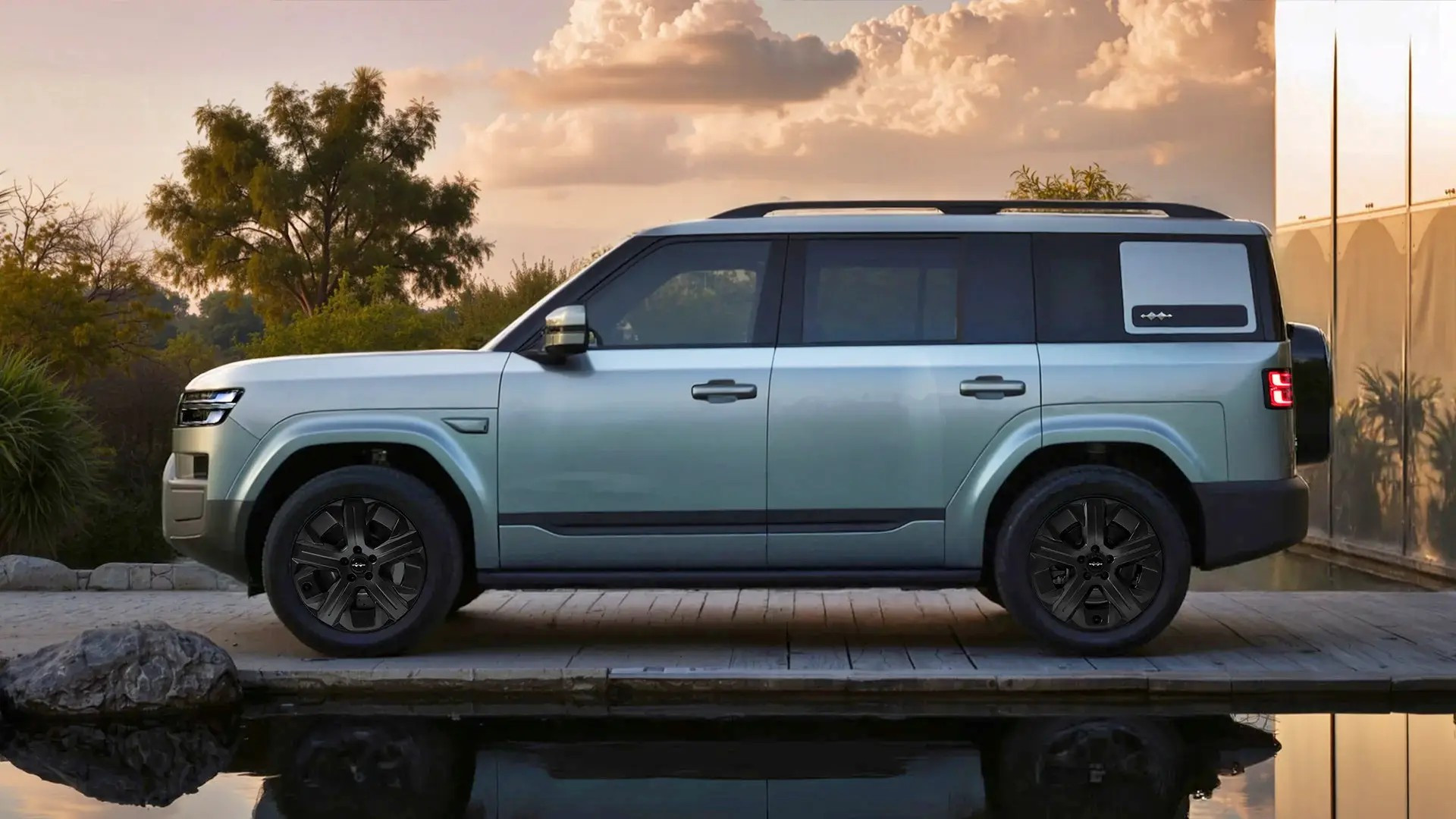
BYD e-Platform 3.0. Unibody construction, 4,999 mm long, 1,995 mm wide, 1,865 mm tall, 2,920 mm wheelbase. Ground clearance 215 mm; wading depth 600 mm; approach/departure angles 24°/25°.
Powertrains
PHEV — RWD: 1.5T 156 hp + 272 hp electric motor, 26 kWh (135 km CLTC) or 35 kWh (200 km CLTC), 0–100 in 7.5–7.9 s
PHEV — AWD: 1.5T 156 hp + dual motors, 490 hp, 35 kWh (190 km CLTC), 0–100 in 4.5 s
BEV — RWD: 408 hp, 92 kWh (675 km CLTC) or 105.7 kWh (755 km CLTC), 0–100 in 7.3 s
BEV — AWD: 700 hp, 105.7 kWh (675 km CLTC), 0–100 in 4.5 s
All range figures are CLTC.
Exterior
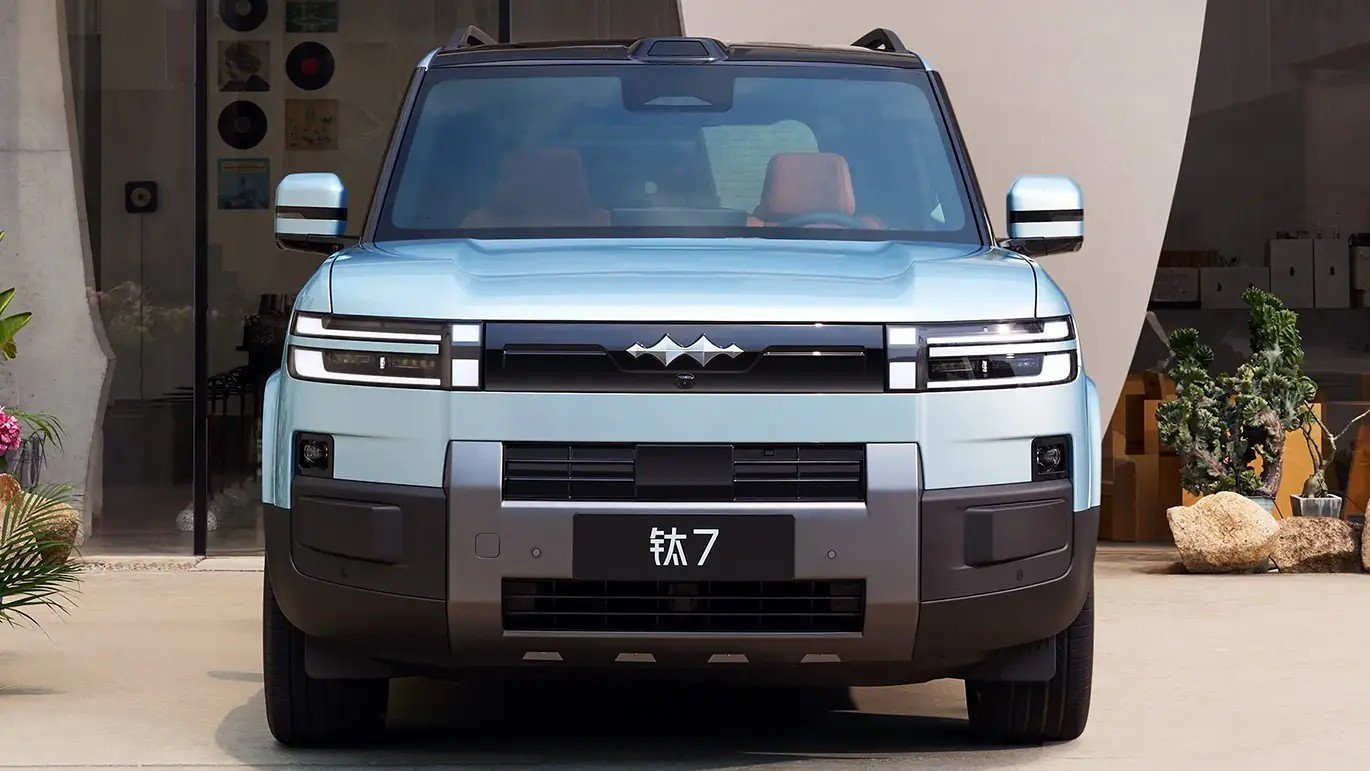
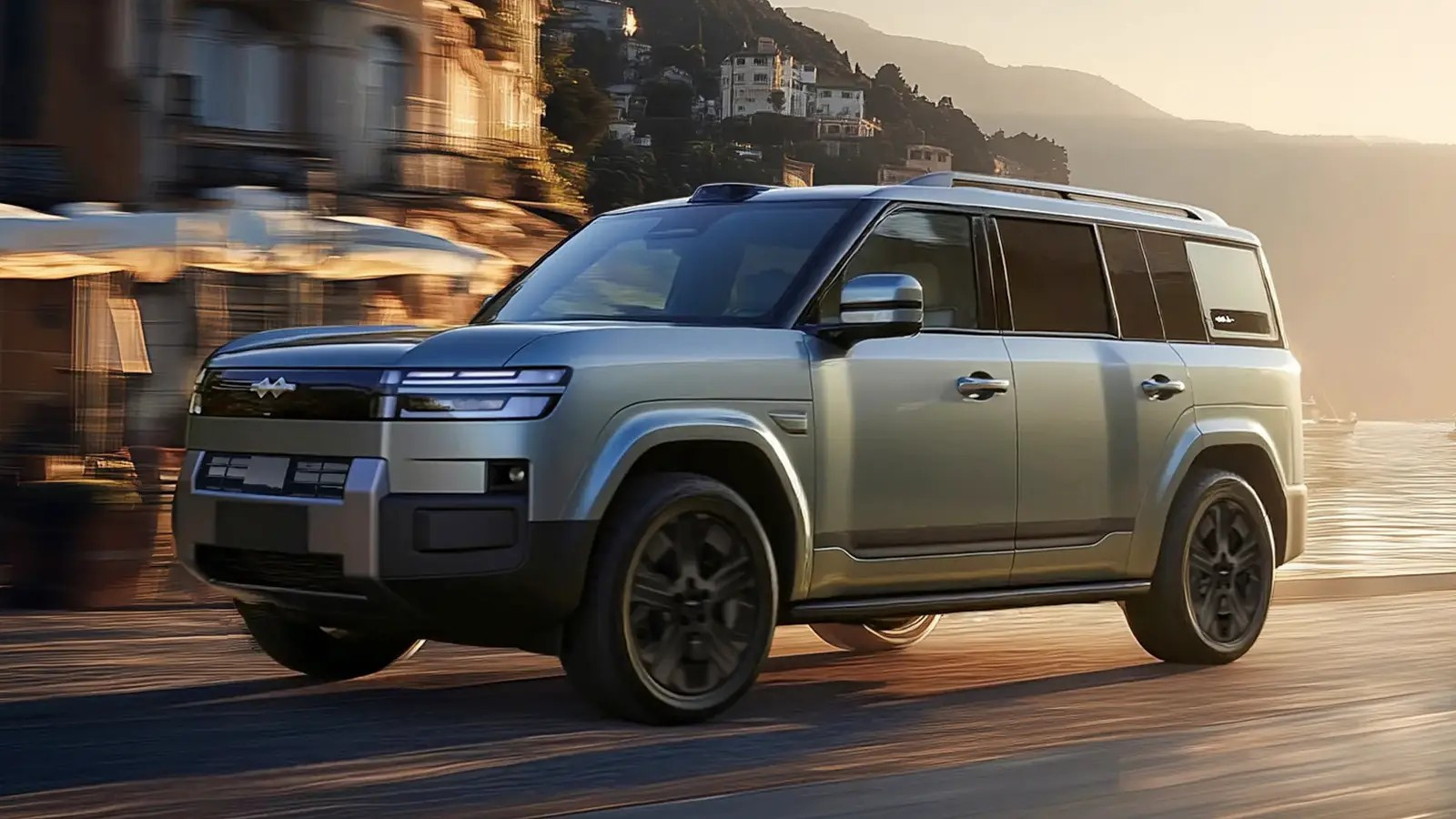
Boxy SUV silhouette with dual-tier L-shaped front lights. Unpainted plastic bumpers and sills. Instead of a spare wheel: a 32.5-litre lockable storage box on the rear with a 220V power outlet built in.
Inside
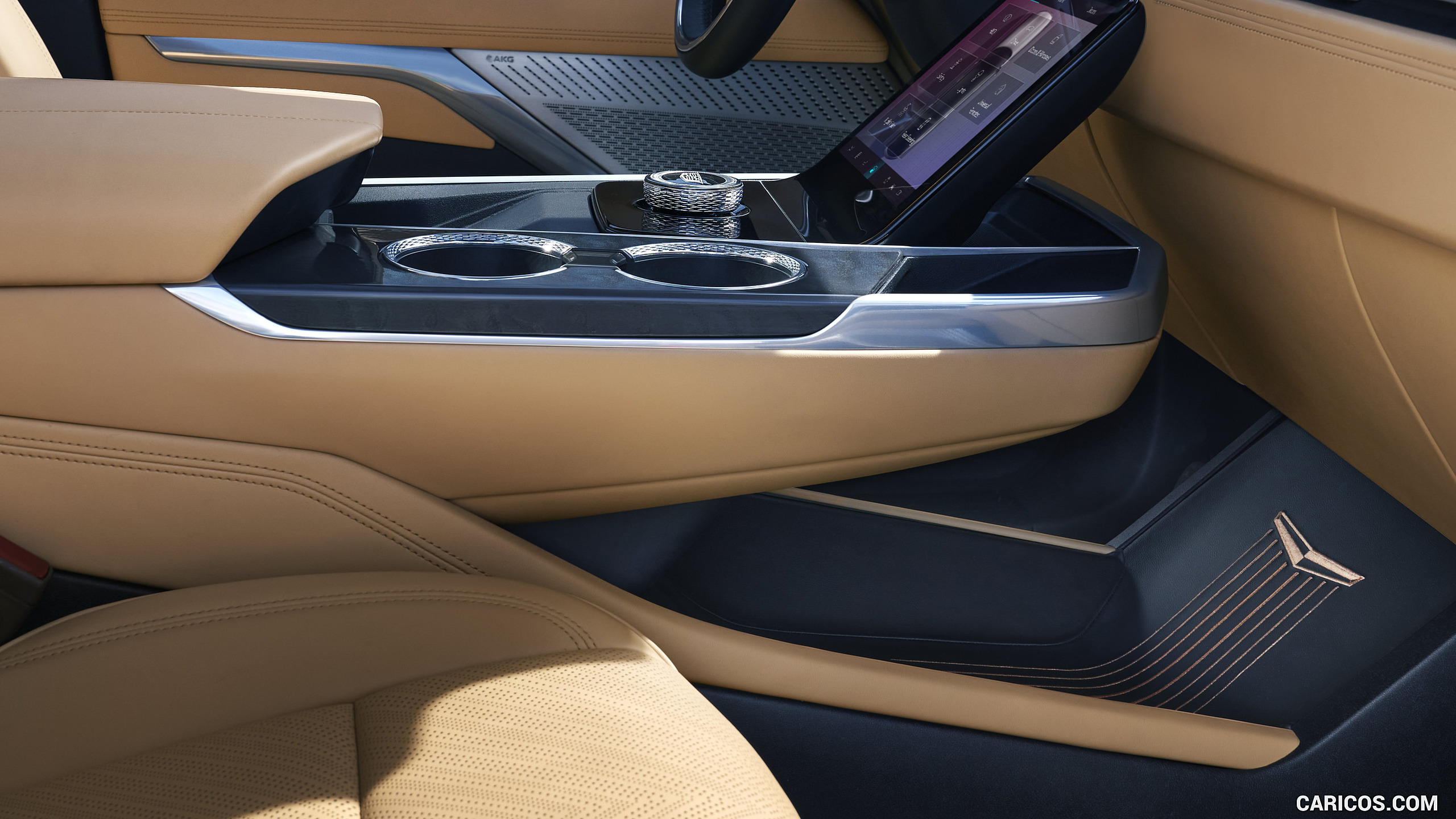
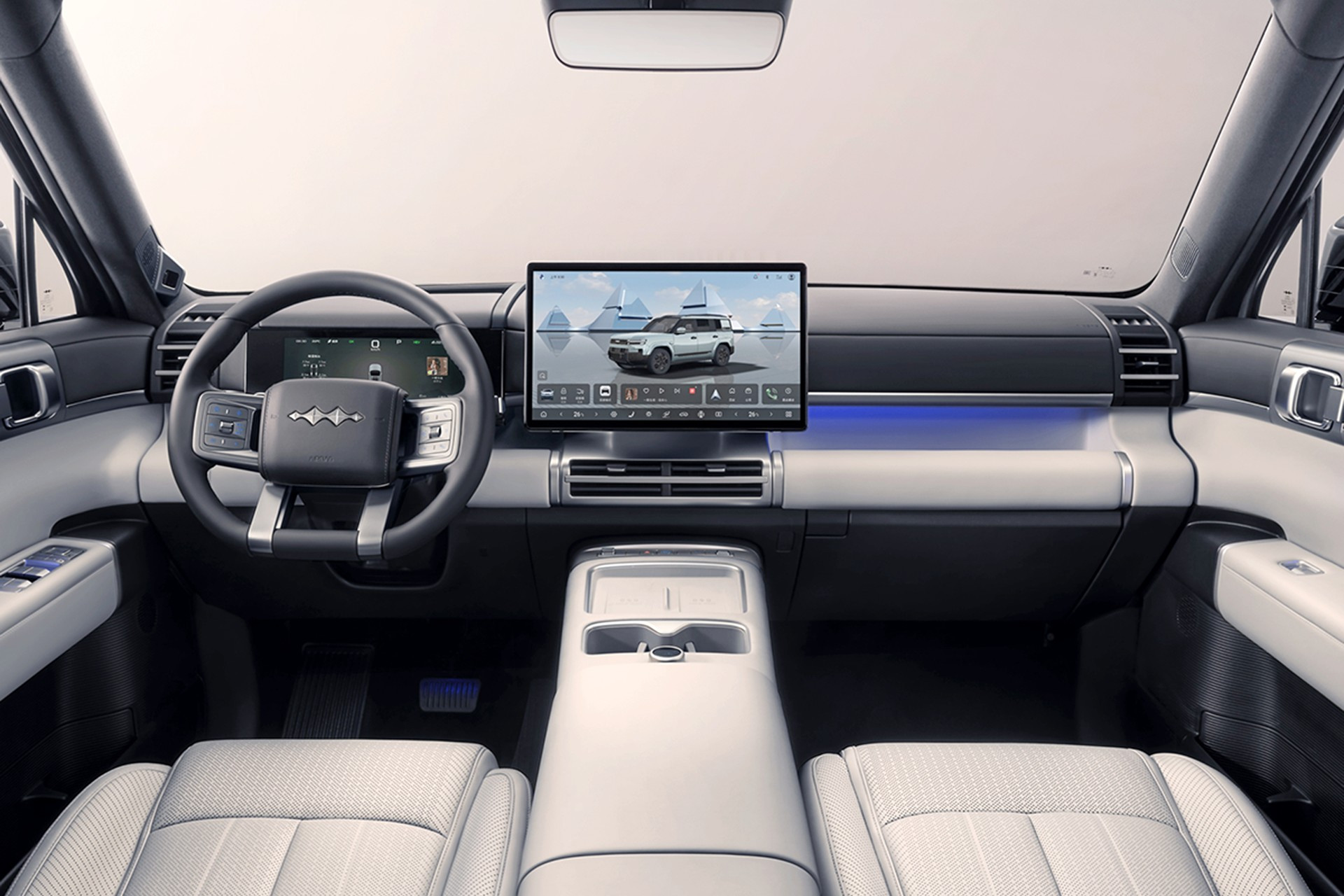
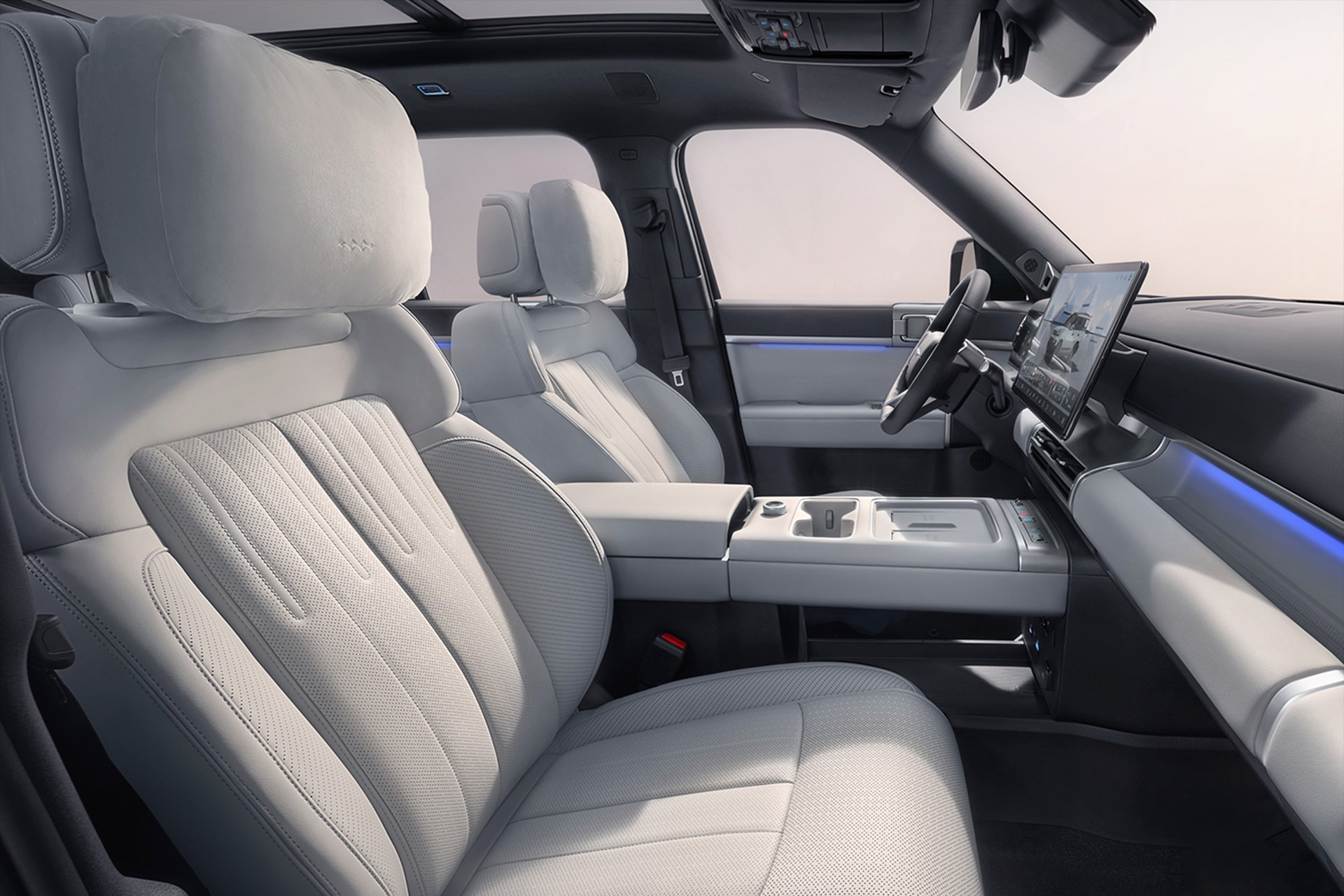
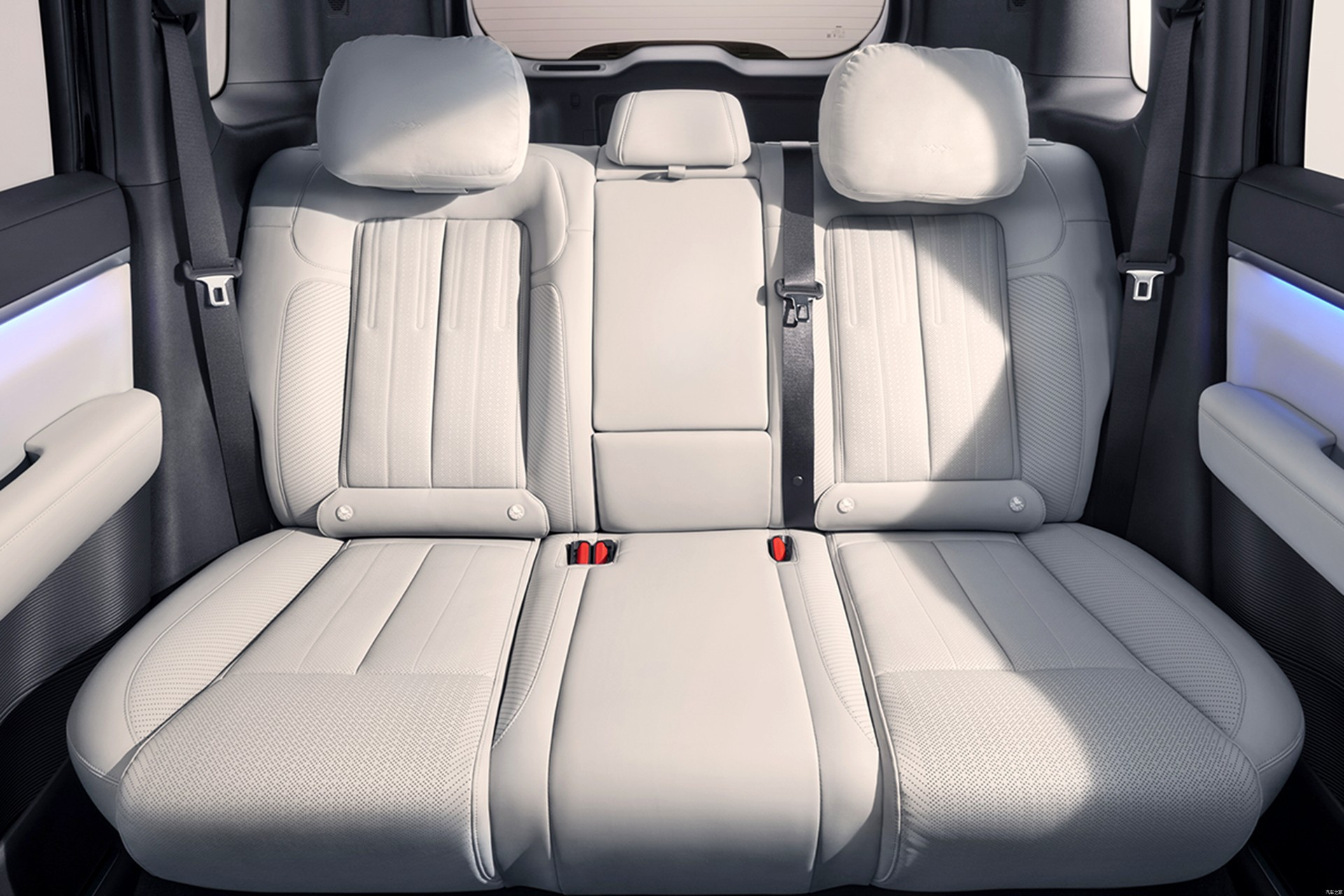
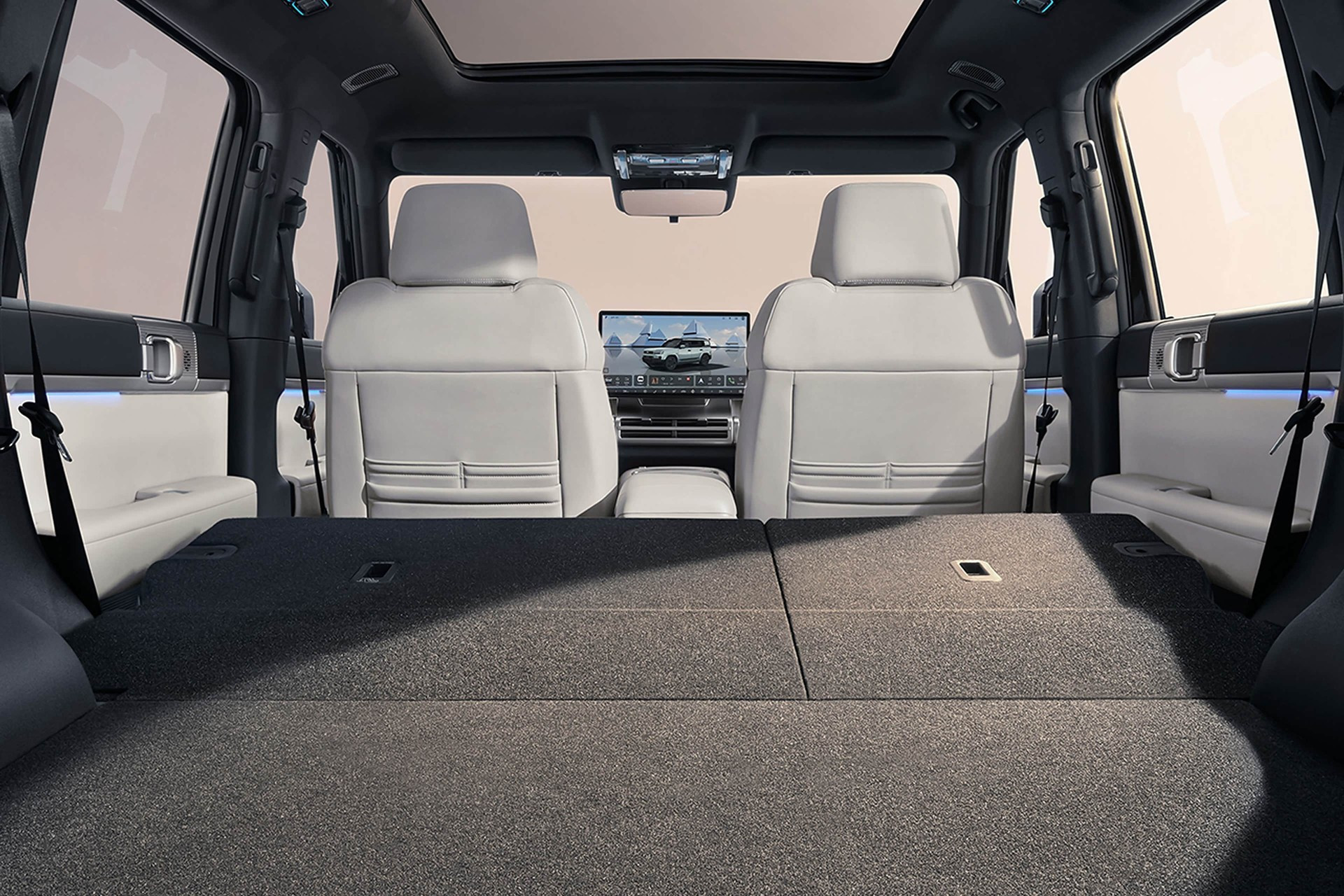
12.3” instrument display, 15.6” central screen, 26” HUD, 13” rear passenger tablets (both rows). Devialet audio, up to 20 speakers. 4.5-litre refrigerator.
Technology
DiSus-C suspension reads the road ahead and pre-adjusts dampers. TSC tyre-separation control: in the event of a flat, the car continues at 80 km/h for up to 30 km. DiPilot 100 is standard; top BEV AWD trim gets DiPilot 300 with lidar and Nvidia Orin-X. An optional DJI drone integration allows drone deployment from the roof of the vehicle.
Pricing (China)
| Variant | Price range |
|---|---|
| PHEV | ¥179,800–¥219,800 ($26,400–$32,300) |
| BEV | ¥199,800–¥239,800 ($29,400–$35,200) |
Pricing for export markets hasn’t been announced.